
Introduction
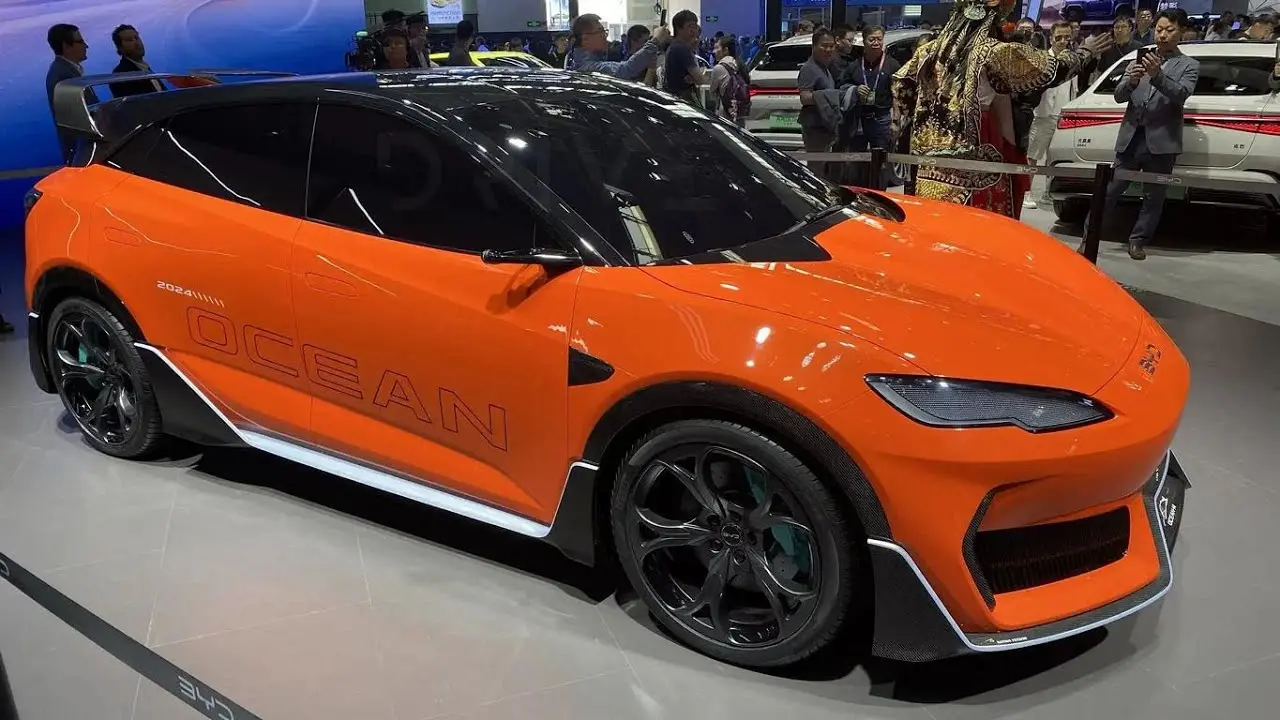
As global concern over climate change and carbon emissions intensifies, electric vehicles (EVs) have taken centre stage in the automotive industry. Among the key players in this space is BYD, a Chinese manufacturer that has quickly risen to prominence as a leading innovator in the electric vehicle market. With its commitment to sustainability and cutting-edge technology, BYD is not just contributing to the EV revolution but is also shaping the future of energy-dependent transport.
BYD’s Rise in the Electric Vehicle Market
Founded in 1995, BYD, which stands for ‘Build Your Dreams’, began as a battery manufacturer before shifting its focus towards electric vehicles. In recent years, the company has expanded its portfolio to include a wide range of EV models, from personal cars to commercial buses and trucks. BYD has established itself as the largest EV manufacturer in China and, as of 2023, ranks among the top electric vehicle producers globally.
In 2022, BYD had a record sales figure of over 1.8 million electric vehicles, highlighting the increasing demand for its products. The company’s success can be attributed to its extensive research and development efforts, resulting in advanced battery technology that enhances efficiency and extends vehicle range. Additionally, BYD has been proactive in collaborations and partnerships, bolstering its market presence and technological capabilities.
Technological Innovations and Sustainability
One of BYD’s standout innovations is its proprietary Blade Battery technology, which offers improved safety and efficiency compared to traditional batteries. This technology reduces the risk of battery fires and enhances the driving range of their electric vehicles. Furthermore, BYD is committed to sustainability beyond just vehicle emissions; the company actively promotes renewable energy solutions by producing solar panels and energy storage systems.
The impact of BYD is not only visible in passenger vehicles but extends to public transportation as well. The company has supplied electric buses to numerous cities worldwide, facilitating a shift towards greener urban transport. In London, for example, BYD electric buses have become prominent, helping the city to reduce its carbon footprint and promote sustainable commuting.
Conclusion
The shift to electric mobility is more crucial than ever as governments and consumers seek alternative solutions to combat climate change. BYD’s innovative approach, diverse product offerings, and commitment to sustainability position it as a pivotal player in the evolution of the automotive industry. As the demand for electric vehicles continues to rise, BYD’s advancements will likely influence both market trends and consumer behaviours. Looking ahead, the company is expected to expand its global reach and continue developing technologies that could redefine the transportation landscape, making it an exciting entity to watch in the coming years.
 Kwame Ofori
 Ama Serwah