
Introduction
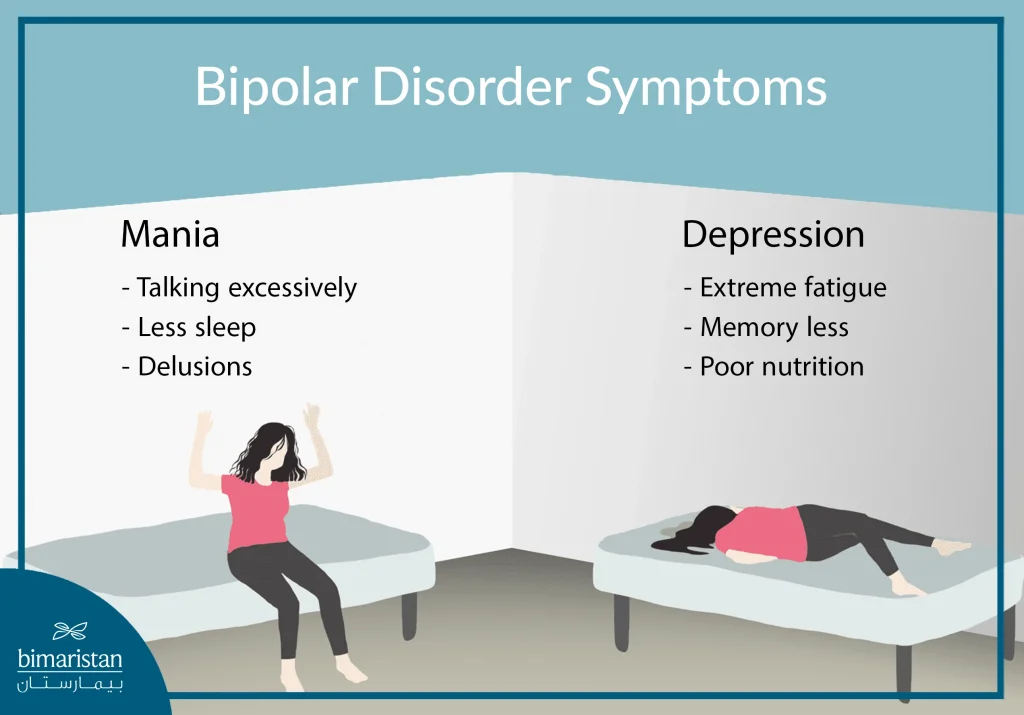
Bipolar disorder is a mental health condition affecting millions worldwide, characterised by extreme mood swings that include emotional highs (mania or hypomania) and lows (depression). Understanding this disorder is vital, given its prevalence and the significance of early diagnosis and treatment to improve the quality of life for those affected. According to the World Health Organisation (WHO), approximately 45 million people suffer from bipolar disorder globally, yet stigma and misinformation often hinder awareness and proper care.
Current Events and Statistics
A recent report by the National Health Service (NHS) highlighted a concerning rise in the diagnosis of bipolar disorder among young adults aged 18-25 in the UK. The number of diagnoses rose by 35% over the past five years, reflecting not only greater awareness but also the impact of modern-day stressors, including the COVID-19 pandemic. Furthermore, studies show that the pressures of social media may contribute to the increasing rates, as individuals compare their lives to the often-glamorous portrayals online.
The Importance of Treatment
Bipolar disorder can severely impact relationships, employment, and overall well-being if left untreated. Effective management typically involves a combination of medication, psychotherapy, and lifestyle changes. Mood stabilisers and antipsychotic medications are commonly prescribed to balance the extreme mood swings. Cognitive Behavioral Therapy (CBT) has also shown promising results in helping individuals cope with the emotional challenges of bipolar disorder.
Furthermore, mental health organisations across the UK, including Mind and the Bipolar Foundation, are advocating for better access to care and increased funding for research. Current therapies are effective but ongoing research aims to understand the underlying causes of bipolar disorder to develop more targeted interventions and preventive strategies.
Conclusion
As awareness of bipolar disorder continues to grow, it is essential to foster an environment where sufferers can seek help without fear of stigma. The rise in diagnoses signals the need for improved access to informed care and support systems. Better education about the condition can not only lead to early intervention but can also reduce the social stigma that surrounds mental health. By focusing on dialogue and understanding, society can work towards a future where individuals with bipolar disorder can thrive alongside their peers, benefiting from both scientific advancements and compassionate care.
 Ama Serwah
 Evelyn Mensah
 Kwame Ofori