
Introduction
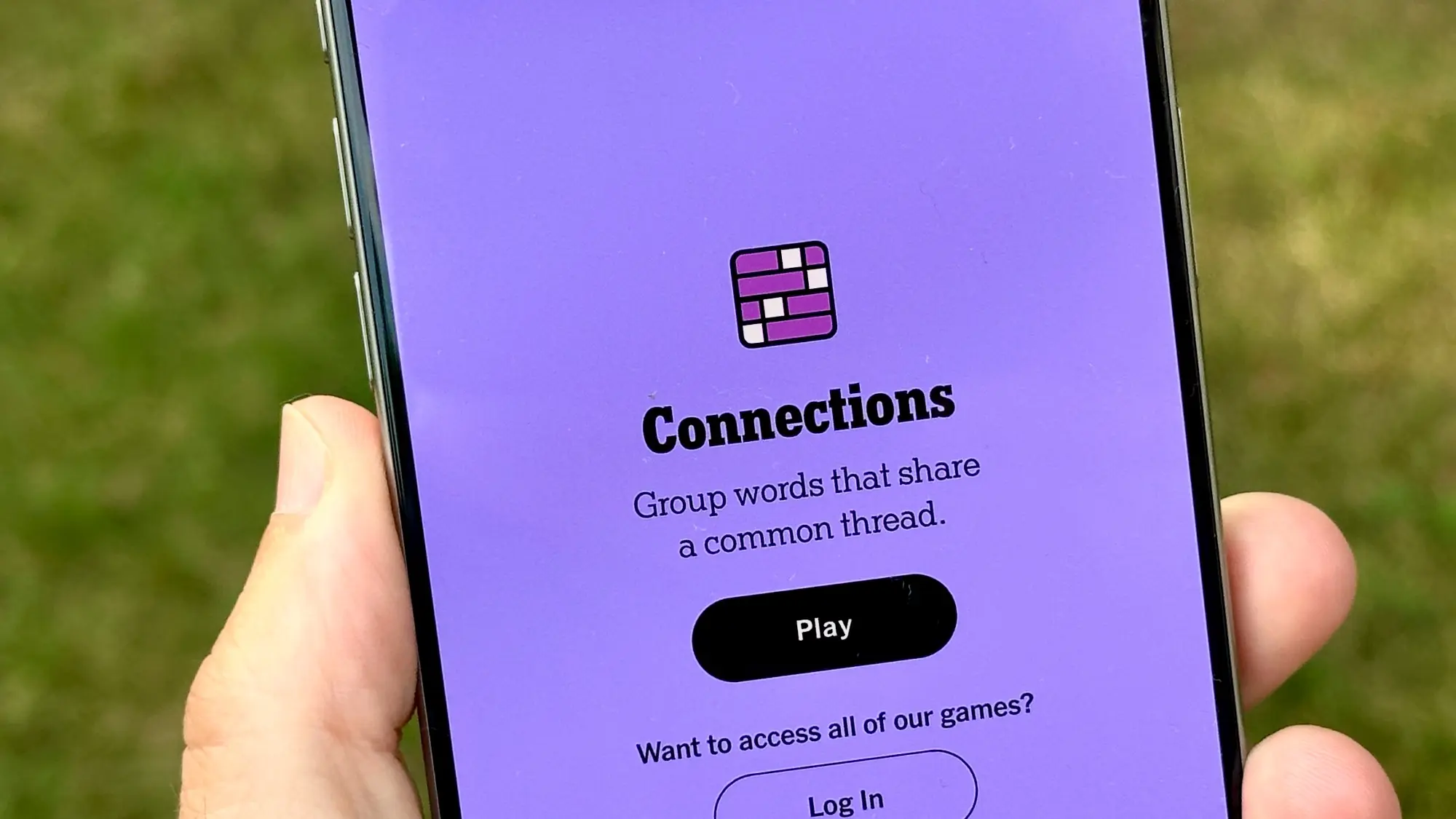
The New York Times (NYT) has a long-standing reputation for delivering high-quality journalism, but in recent years, it has also become known for its engaging puzzles and hints. The NYT Strands, a series of hints and clues presented in various formats, have gained popularity among readers who enjoy unraveling mysteries and making connections within the broader contexts of storytelling. As the world becomes increasingly reliant on digital content, understanding the significance of these hints is new and fascinating for linguists, puzzle enthusiasts, and casual readers alike.
The Emergence of NYT Strands Hints
In early 2023, the NYT introduced a new feature that combines narrative elements with hints to not only engage readers but also enhance their cognitive abilities. The hints are cleverly crafted to make readers think critically about the information presented, thereby improving their comprehension skills. One notable implementation includes the use of subtle foreshadowing within news articles, where key terms or ideas are dropped as hints to pique the reader’s curiosity and encourage deeper exploration of the topic.
Moreover, the NYT Strands are not limited to straightforward journalism; they also encompass cultural critiques, arts coverage, and even scientific discussions. This variety keeps the content fresh and relevant, ensuring that it appeals to a wide audience. The interactive nature of these hints encourages readers to explore beyond the headlines and engage more thoroughly with the material, providing a sense of collaboration between the author and the audience.
Impact and Reader Engagement
The reception of NYT Strands hints has been overwhelmingly positive. Readers have expressed their appreciation for the added layer of engagement, as these hints often lead them to discover new insights and connections they may not have initially considered. Additionally, the NYT has strategically harnessed social media platforms to solicit feedback and further refine the hinting process, fostering a community of readers who share their interpretations and potential answers.
In a landscape where news consumption is often passive, these interactive elements establish a more active relationship between the publication and its audience. As a result, readers feel more invested in the stories being told and are likely to return for future explorations.
Conclusion
As the NYT continues to innovate with its Strands hints, the impact on readership engagement is becoming increasingly clear. By blending informative content with clever hints, the New York Times is not merely reporting news but actively involving readers in a narrative journey. Looking forward, the integration of such creative techniques could serve as a model for other publications seeking to deepen their connection with audiences in an ever-evolving digital landscape. Readers can anticipate more intricate and compelling connections unveiled through these hints, making the reading experience not just informative but also an interactive adventure.
 Evelyn Mensah
 Ama Serwah
 Kwame Ofori