
Introduction to Gen Z
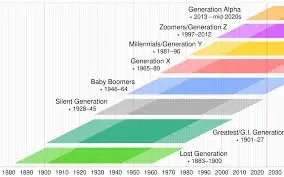
Generation Z, commonly referred to as Gen Z, encompasses individuals born from the mid-to-late 1990s through the early 2010s. This generation has gained notable attention for its distinct characteristics and behaviours shaped by unique socio-economic factors, technology, and cultural shifts. Understanding the years that define Gen Z is crucial as they represent the future workforce, consumers, and catalysts for change in societal norms.
Characteristics of Gen Z
Gen Z is often marked by their digital nativity, having grown up with smartphones and social media. This constant connectivity influences their communication styles, shopping habits, and views on important issues. According to a study by McKinsey & Company, over 90% of Gen Z members report spending a significant amount of time online, utilising social media platforms such as Instagram, TikTok, and Snapchat as primary communication tools.
Current Trends Among Gen Z
The years defining Gen Z have witnessed rapid technological advancements, which have significantly influenced their buying decisions and lifestyle choices. In a 2023 survey, 64% of Gen Z indicated a preference for brands that demonstrate social responsibility. Environmental concerns and inclusivity are at the forefront of their preferences, leading many businesses to adapt their strategies to align with these values.
Furthermore, economic factors have heavily impacted this generation, especially with the backdrop of the COVID-19 pandemic. Many young adults faced job market instability; studies show that 40% of Gen Z employees feel anxious about their financial futures. Consequently, they advocate for mental health awareness and prioritise well-being in their work and social environments.
Significance and Future Outlook
As Gen Z continues to grow, their influence on various sectors will intensify. They are expected to participate actively in social justice movements, driving awareness and policy changes surrounding climate change, equality, and mental health. Brands and companies aiming to capture this emerging market must consider the values and concerns that resonate with Gen Z.
Conclusion
Understanding the years that encapsulate Gen Z is essential for recognising their potential impact on society. As they make their way into professional spaces and electoral arenas, their values will shape the landscape of future policies and business strategies. Engaging with this generation today could yield significant benefits for tomorrow.
 Kwame Ofori
 Yaw Appiah
 Ama Serwah