
The Significance of Inflation
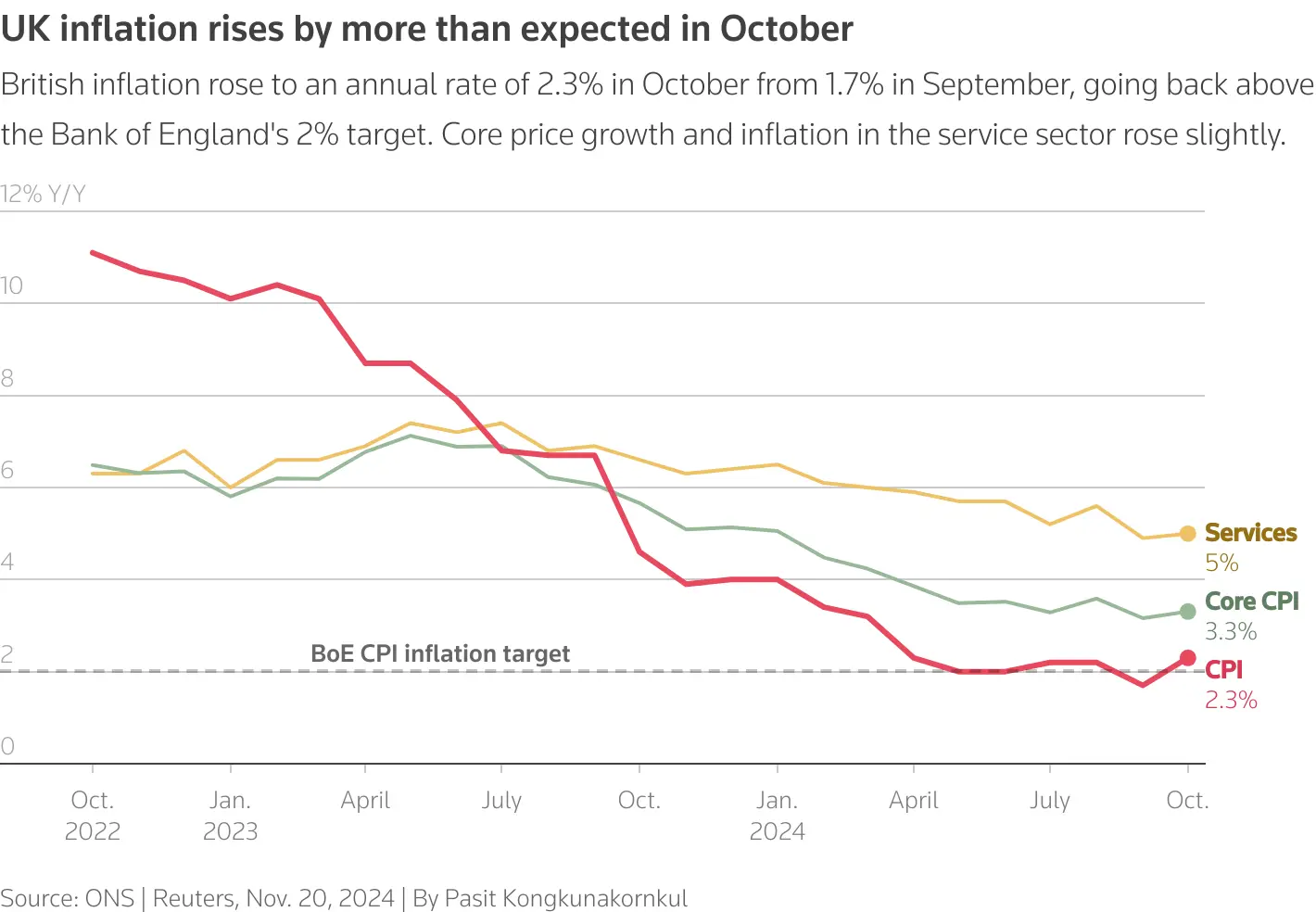
UK inflation remains a pressing concern for policymakers, businesses, and consumers alike. Rising prices affect everything from household purchasing power to economic stability. In recent months, inflation has surged, prompting analysis and response from the government and the Bank of England. Keeping a close watch on inflation is essential, as it directly informs economic policy and affects daily life.
Current Inflation Rates
As of September 2023, the UK’s Consumer Prices Index (CPI) inflation rate stands at 5.4%, slightly down from 6.1% in August 2023. This continued decline is attributed to falling energy prices and easing supply chain issues, although food prices remain persistently high. The recent rate is still above the Bank of England’s target of 2%, which suggests that inflationary pressures are not entirely under control.
Key Factors Influencing Inflation
Several factors underpin the current inflation landscape in the UK. Firstly, global energy prices have seen volatility; while natural gas prices dropped in the last few months, they surged earlier in the year due to geopolitical tensions. Secondly, supply chain disruptions, which were becoming less pronounced due to the easing of pandemic-related restrictions, continue to affect various sectors, particularly consumer goods.
Additionally, the labour market remains tight, with UK employment levels recovering but wage growth not keeping pace with inflation. As wages increase, companies often pass these costs onto consumers, creating a cycle that fuels further inflation.
Impact on Households and Businesses
The impact of inflation has been felt across the UK, with households facing rising costs of everyday essentials such as food, fuel, and utilities. The financial strain has led to discussions about the cost-of-living crisis, compelling the government to consider measures to alleviate pressure on low- and middle-income families. Businesses, too, are grappling with increased operational costs, potentially leading to changes in pricing strategies and buying behaviour.
Conclusion and Outlook
Looking ahead, the Bank of England may continue to adjust interest rates in response to inflation trends. If inflation does not stabilise, it could hinder economic recovery post-pandemic and place further strain on consumers. Although the recent decrease in inflation rates is encouraging, persistent challenges suggest that the journey towards economic stability will require careful navigation. As inflation remains at the forefront of economic discussions, staying informed is crucial for both consumers and businesses in the UK.
 Kwame Ofori
 Ama Serwah