
Introduction
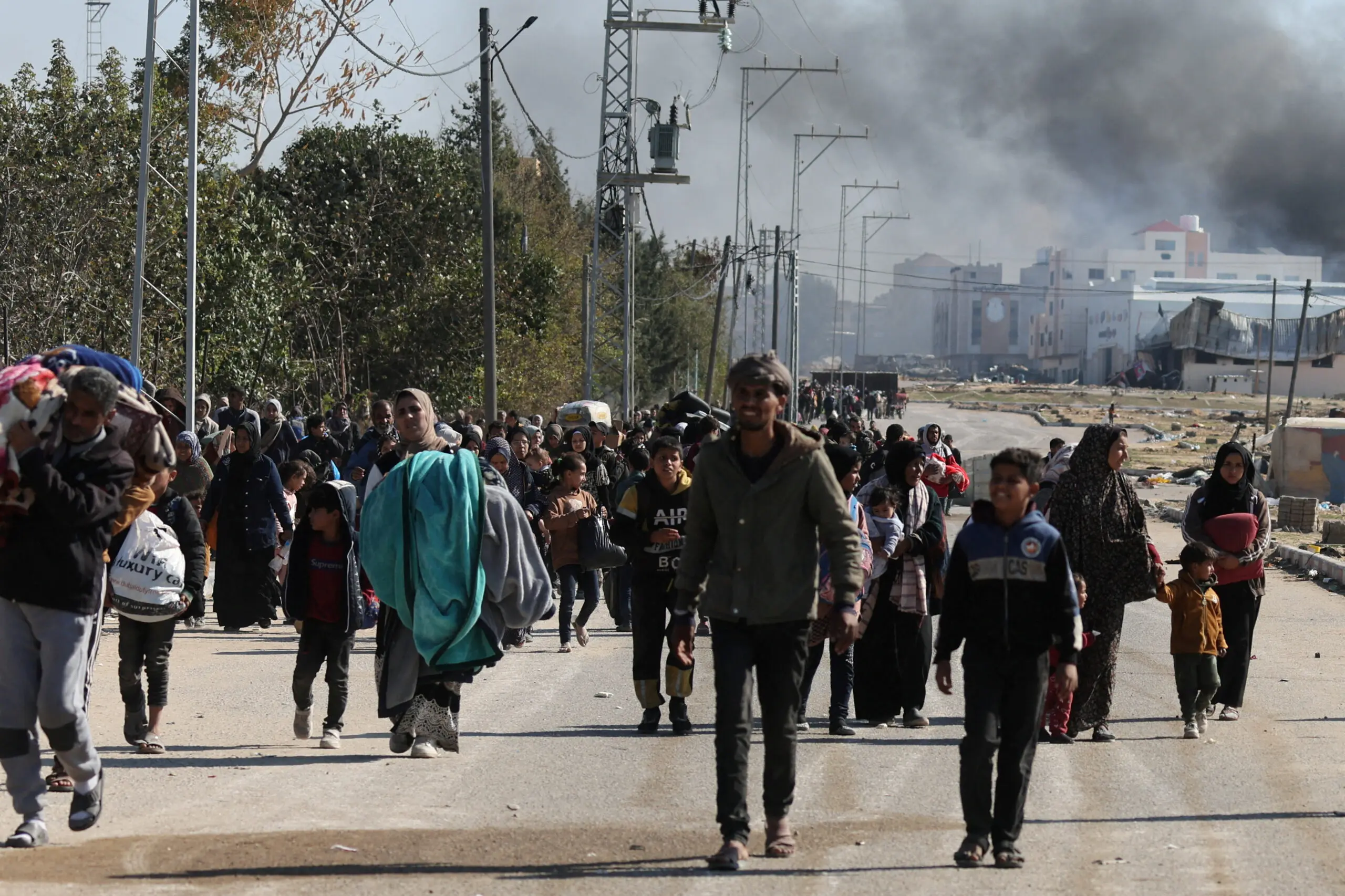
The situation in Palestine remains a focal point of international concern, with implications that resonate across geopolitical landscapes. Recent events and longstanding conflicts have escalated tensions, drawing attention from global leaders and humanitarian organisations alike. Understanding the complexities of the Palestine issue is crucial, not only for those in the region but also for individuals around the world who seek to witness and understand the struggles faced by Palestinians.
Recent Developments
In the past few months, the situation in Palestine has intensified, particularly in the Gaza Strip and the West Bank. In early October 2023, heightened military operations led to a sharp increase in civilian casualties, with reports estimating hundreds of fatalities and thousands injured. Local hospitals are struggling to cope with the influx of wounded, and essential supplies are dwindling, raising alarms about a potential humanitarian crisis.
The conflict has historical roots that involve complex narratives of land, identity, and sovereignty. However, recent skirmishes have been marked by the escalating use of military force by Israeli Defence Forces (IDF) following rocket attacks from Gaza. In response to these military operations, calls for ceasefires have been made by various international organisations, including the United Nations, yet achieving a lasting solution appears increasingly challenging.
Global Reactions
The international response to the escalating violence has been mixed. Various countries and organisations have expressed concern, stressing the importance of dialogue and diplomatic engagements while condemning violence from both parties. Protests advocating for Palestinian rights have erupted in major cities worldwide, reflecting growing public sentiment calling for an end to violence and a more prominent spotlight on humanitarian issues.
Moreover, peace talks have faced significant setbacks, with key players in the peace process expressing frustration. The recent shift in political dynamics, particularly within the Israeli government and surrounding regional powers, has created an environment where diplomatic relations remain tenuous. The implications of these developments reach well beyond immediate concerns, questioning the prospects for a two-state solution and the overall stability in the region.
Conclusion
The ongoing conflict in Palestine underscores a critical juncture in global geopolitics, highlighting the urgent need for thoughtful, coordinated responses from the international community. As the situation continues to evolve, it is vital for readers to engage with credible sources and to advocate for peaceful resolutions. With continued attention and humanitarian assistance, there remains hope for future peace and stability in Palestine, urging leaders and citizens alike to prioritise dialogue over conflict.
 Yaw Appiah
 Evelyn Mensah
 Kwame Ofori
 Ama Serwah