
Introduction
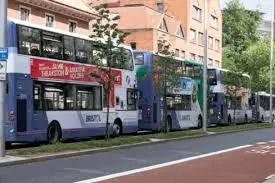
The Bristol bus strike has become a significant topic of discussion in recent weeks, as public transport disruptions affect the lives of thousands of commuters. The strike, which began on August 28, 2023, highlights issues around wages, working conditions, and the future of public transport in the city. With many relying on buses for daily travel, the strike raises important questions about the impact on local communities and the broader transport system.
Details of the Strike
Initially called by Unite, the union representing bus drivers and staff, the strike was prompted by a breakdown in negotiations over pay. Drivers have been demanding a more substantial wage increase to match the rising cost of living and inflation. According to the union, many employees have not seen a pay rise that reflects the demands of their roles, which has led to low morale and high turnover within the workforce.
The strike has resulted in significant disruptions to services, with many bus routes operating at reduced capacity or not at all. Commuters have been left scrambling to find alternative means of transportation, with reports indicating a sharp increase in traffic congestion and demand for taxis and ride-sharing services. Local businesses reliant on foot traffic are also feeling the repercussions.
Community Response
The response from the community has been mixed. Some commuters express solidarity with the drivers, recognising the importance of fair wages and working conditions. Others, however, express frustration at the disruption to their daily routines. Public demonstrations have occurred in support of the bus drivers, emphasising the need for a resolution that addresses both their demands and the needs of the commuting public.
Negotiations and Future Implications
Negotiations between bus operators and union representatives are ongoing, and both sides are under significant pressure to reach an agreement. As the strike continues, local government officials have called for mediation to help resolve the conflict. Many fear prolonged action would lead to further economic impacts, especially as schools return from summer break, increasing transportation needs.
Conclusion
As the Bristol bus strike unfolds, its ramifications extend beyond just the disruption of services. It serves as a reminder of the ongoing struggle for workers’ rights and fair compensation, particularly within essential services. The outcome of this situation will be pivotal not just for the bus drivers, but for the wider community relying on public transport. As negotiations progress, many hope for a resolution that balances fair pay with the needs of commuters, ensuring that Bristol’s public transport system remains functional and reliable.
 Yaw Appiah
 Evelyn Mensah
 Kwame Ofori
 Ama Serwah