
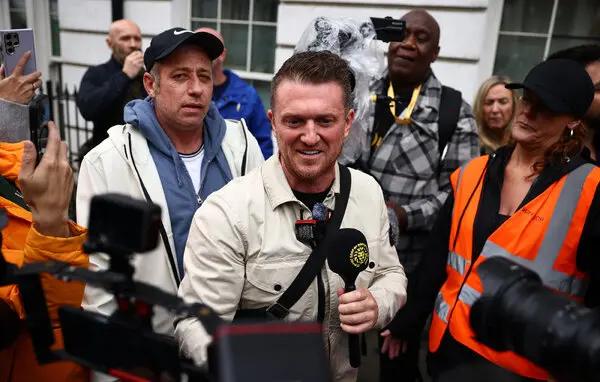
Introduction
The recent arrest of Tommy Robinson, a controversial figure known for his far-right activism in the UK, has sparked considerable discussions across media platforms and political circles. His detention highlights ongoing tensions in the debate surrounding freedom of speech, immigration, and national identity within British society. Robinson, who gained notoriety for his outspoken views on Islam and immigration, has frequently been a polarising figure, and his latest legal troubles are reigniting discussions about the boundaries of activism and public discourse.
Details of the Arrest
On March 18, 2023, Tommy Robinson was arrested during a protest in Manchester, where he was allegedly involved in inciting violence and public disorder. Witnesses reported that tensions escalated when opposing groups clashed, leading to a significant police presence and the subsequent arrest of several individuals, including Robinson. Following his arrest, Robinson was charged with various offences, including instigating violence and failing to comply with police orders. The authorities have stated that their actions were necessary to maintain public safety, especially given Robinson’s history of controversial speeches and previous arrests.
Political and Public Reactions
The police’s decision to arrest Robinson drew swift reactions from various political factions. Supporters of Robinson argue that his arrest represents a suppression of free speech, while critics condemn his methods as inflammatory and dangerous. His supporters have launched campaigns claiming that he is being unfairly targeted, rallying online and at several public demonstrations. Conversely, many public figures and politicians have voiced their approval of the arrest, suggesting that it is integral to maintaining law and order in a volatile environment.
Conclusion
As Tommy Robinson’s case unfolds, the implications for free speech and public safety are becoming increasingly apparent. The discussions surrounding his arrest raise vital questions about the extent to which individuals can express their views without inciting violence. With significant media attention and public scrutiny surrounding the situation, this incident could potentially influence future protests and the police’s approach to managing public demonstrations. Moreover, forthcoming court proceedings will likely serve as a crucial moment in addressing the balance between activism and permissible speech in the UK—an issue that remains profoundly significant for many citizens. Thus, the aftermath of Robinson’s arrest will undoubtedly affect the ongoing debates regarding societal norms, civil liberties, and political expression in the years to come.
 Yaw Appiah
 Evelyn Mensah
 Kwame Ofori
 Ama Serwah