
Introduction
The Witcher franchise has emerged as one of the most influential multimedia phenomena of the 21st century. Originating from a series of fantasy novels by Polish author Andrzej Sapkowski, it has expanded into a wildly successful video game series and a popular Netflix adaptation. The enduring popularity of The Witcher highlights the significant impact of storytelling across various platforms in contemporary culture.
Origins and Literature
The Witcher saga began with “The Witcher” short story collection published in 1986, followed by the five-volume main series, which concluded with “The Lady of the Lake” in 1999. The series follows Geralt of Rivia, a skilled monster hunter navigating a morally complex world filled with different cultures and supernatural beings. Sapkowski’s intricate world-building and character development have resonated with readers worldwide, creating a loyal fan base.
Video Game Adaptations
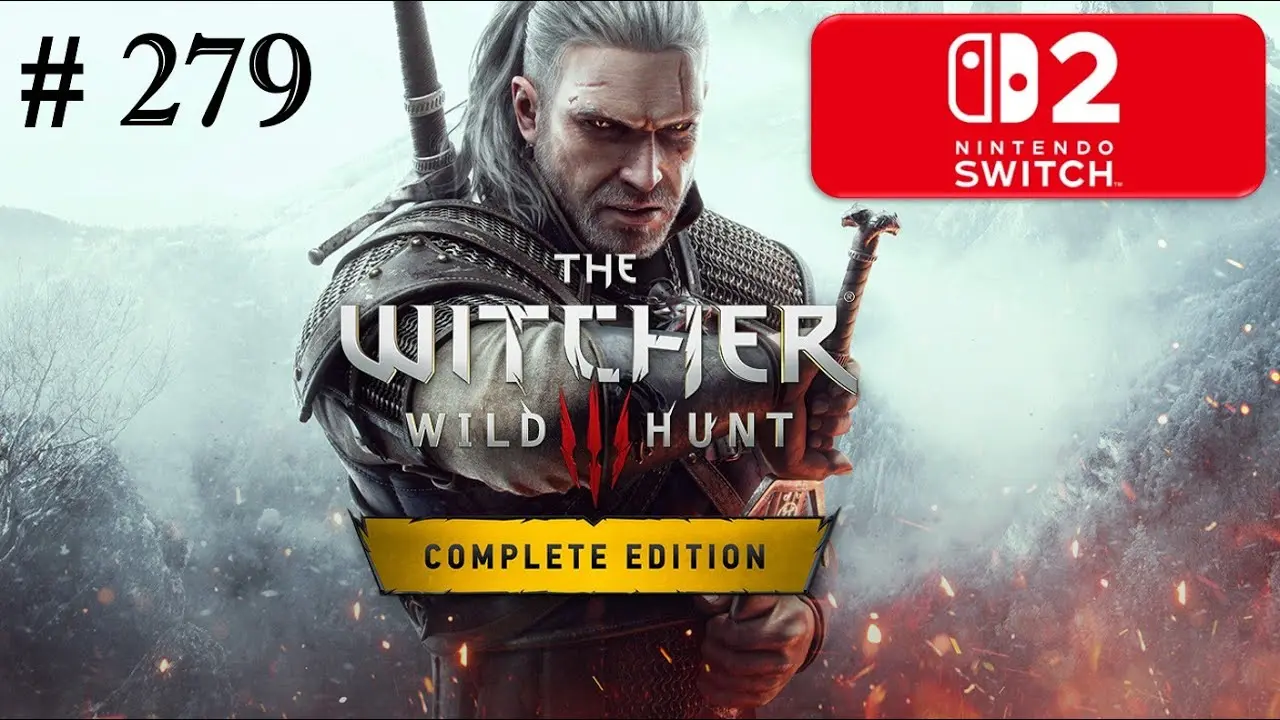
The true breakthrough for The Witcher came with the launch of the video game series by CD Projekt Red, beginning with “The Witcher” in 2007 and most notably “The Witcher 3: Wild Hunt” released in 2015. The game was praised for its storytelling, expansive open world, and complex characters, winning multiple Game of the Year awards. Over 30 million copies have been sold, solidifying its status as one of the best-selling role-playing games of all time. Its success not only revitalised interest in the books but also expanded the franchise’s reach to a wider audience.
Television Adaptation and Cultural Impact
In December 2019, Netflix premiered its adaptation of The Witcher, starring Henry Cavill as Geralt. The series quickly garnered a massive viewership, becoming one of the platform’s most watched shows. The adaptation brought the intricate stories of the novels to life, garnering mixed reviews but solidifying its place in popular culture. The depiction of themes such as destiny, family, and acceptance has resonated with audiences, making The Witcher a cultural touchstone.
Conclusion
The ongoing popularity of The Witcher serves as a testament to the power of immersive storytelling and character-driven narratives in various formats. Plans for future seasons of the Netflix series, alongside potential game expansions, suggest that this multifaceted franchise will continue to thrive. As audiences engage with Geralt’s adventures, The Witcher remains a culturally significant exploration of humanity’s struggle against darkness, whether it be in literature, gaming, or on-screen adaptations.
 Kwame Ofori
 Ama Serwah
 Yaw Appiah