
Introduction
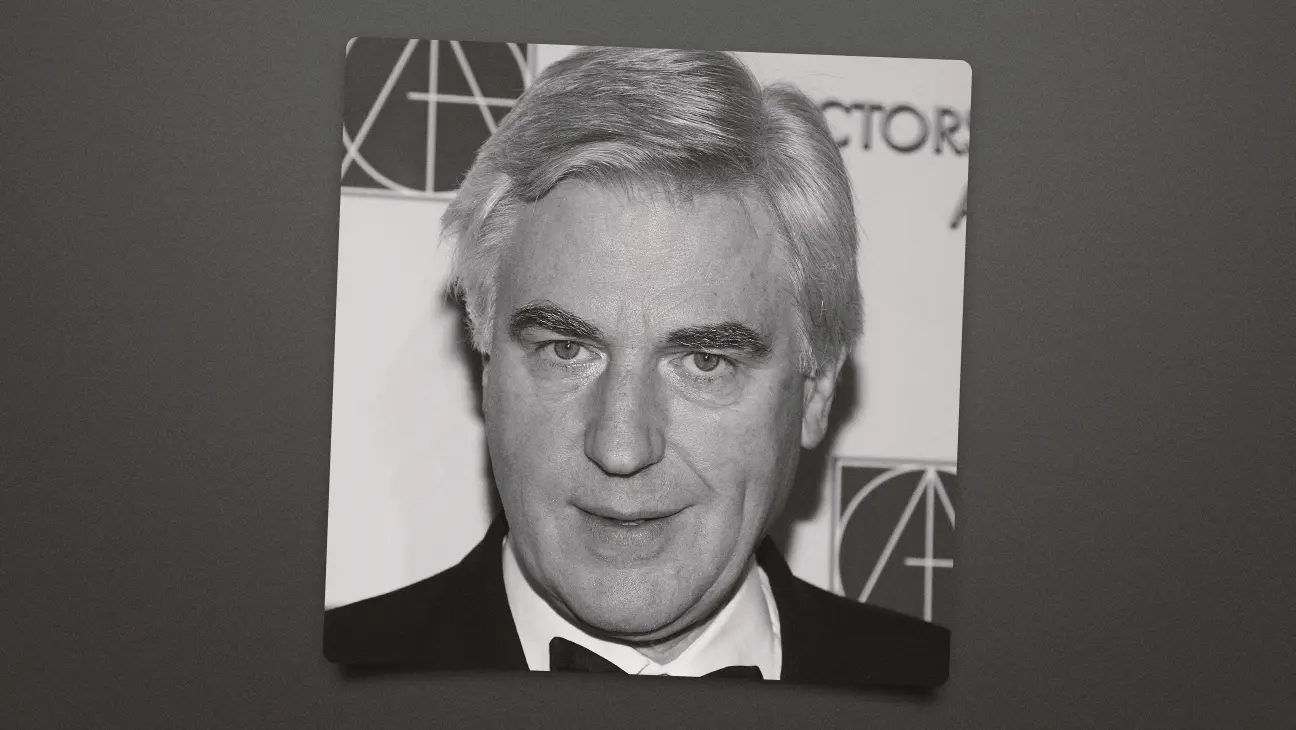
The Harry Potter film series is not only renowned for its captivating storylines and memorable characters, but also for its stunning visual artistry. Central to this visual narrative is Stuart Craig, the production designer who brought the magical world of J.K. Rowling’s novels to life. His vast contributions have shaped the way audiences perceive the enchanting universe of witches and wizards, and play a critical role in the franchise’s enduring success.
Stuart Craig’s Role in Harry Potter
Stuart Craig joined the Harry Potter film franchise in 2001 with the release of Harry Potter and the Philosopher’s Stone, and continued in his role until the final film, Harry Potter and the Deathly Hallows, in 2011. His impressive portfolio includes creating iconic locations such as Hogwarts, Diagon Alley, and the Ministry of Magic.
Craig’s commitment to authenticity is evident in the meticulous detail he applied to his designs. He spent countless hours researching historical architecture and medieval constructs, ensuring that each set reflected the rich lore of the Harry Potter universe. For instance, the design of Hogwarts was inspired by real-life castles in the UK, interwoven with fantastical elements that enhanced its magical allure.
Achievements and Recognition
Stuart Craig’s work on the Harry Potter series brought him numerous accolades, including Academy Awards nominations for Best Art Direction. His designs not only serve the narratives of each film but have also become culturally significant symbols of the Harry Potter brand. The visual aesthetics created by Craig have permeated into theme parks, merchandise, and video games, further solidifying the impact of his work.
Conclusion
The legacy of Stuart Craig in the Harry Potter franchise extends far beyond the screen. His visionary production design has left an indelible mark on the film industry and influenced a generation of viewers and creators alike. As the Harry Potter universe continues to expand with new projects, Craig’s earlier contributions remain a benchmark for future designers in recreating the magic for both old fans and new. His ability to transport audiences into a vivid world of fantasy makes him one of the pivotal figures in the successful translation of the Harry Potter saga from page to film.
 Kwame Ofori
 Yaw Appiah
 Evelyn Mensah
 Ama Serwah