
Introduction
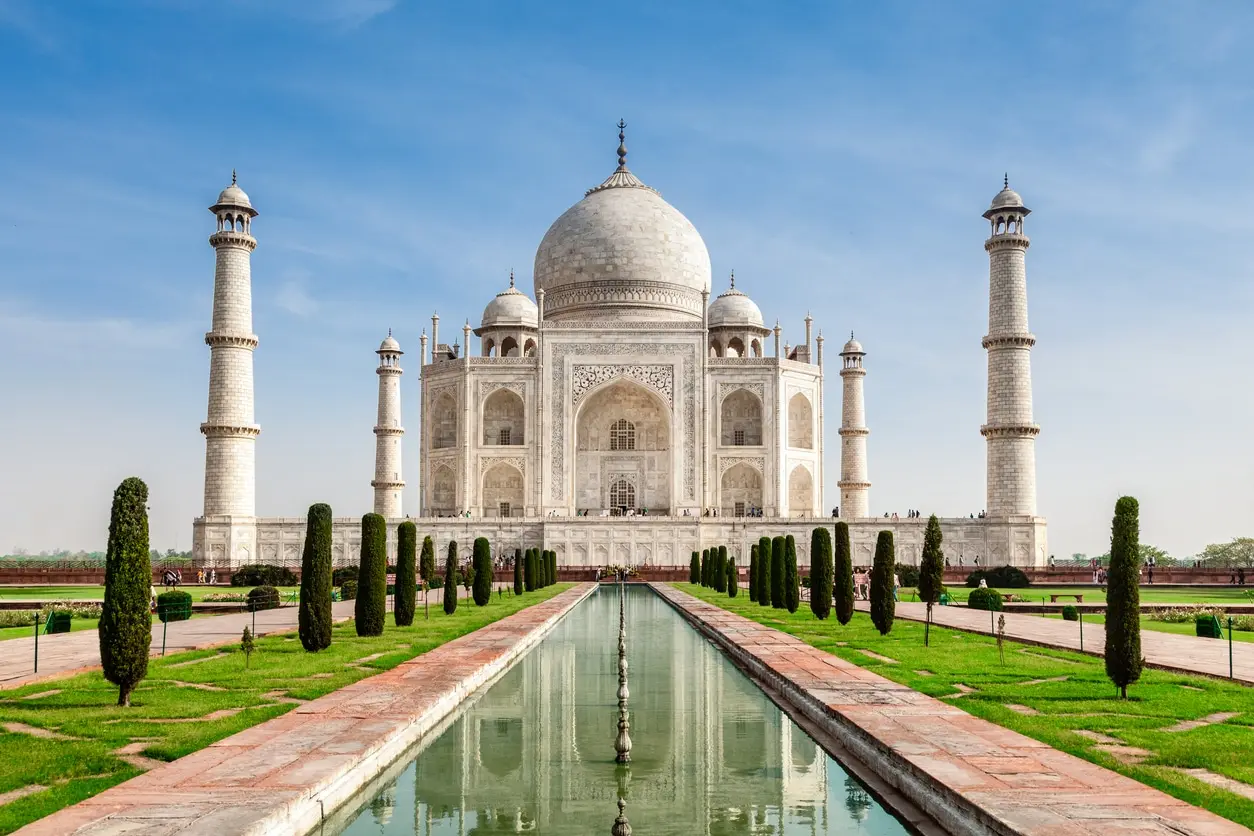
The Taj Mahal, an iconic symbol of love and one of the most recognised monuments in the world, stands majestically in Agra, India. Built in the 17th century by Mughal Emperor Shah Jahan in memory of his beloved wife, Mumtaz Mahal, this UNESCO World Heritage Site draws millions of visitors each year. Its significance transcends architectural beauty; it embodies a rich cultural history and artistic achievement that continues to captivate both locals and tourists alike.
The Architectural Marvel
The construction of the Taj Mahal began in 1632 and took about 22 years to complete, employing thousands of artisans and masons. The monument showcases a brilliant amalgamation of Persian, Islamic, and Indian architectural styles. Its white marble façade, adorned with intricate carvings and inlay work made from semi-precious stones, reflects changing hues as sunlight shifts throughout the day. The grand entrance gate leads to the serene gardens, water features, and the matching red sandstone mosque, enhancing the overall aesthetic of the site.
Current Events and Preservation Efforts
In recent years, the Taj Mahal has faced environmental challenges, including pollution and rising tourist numbers. The Indian government has implemented several measures to protect and preserve the monument. In 2020, the authorities announced plans to build a green wall around the mausoleum to mitigate pollution and protect its marble from discolouration. Awareness campaigns have been introduced to educate visitors about the importance of preserving this cultural heritage site.
Conclusion
The Taj Mahal is more than just a breathtaking example of Mughal architecture; it is a testament to enduring love and human creativity. As the world continues to grapple with environmental issues and the pressures of modern tourism, it is crucial for both the Indian government and the global community to support conservation efforts for this iconic monument. The ongoing preservation of the Taj Mahal not only helps maintain its beauty for future generations but also serves as a reminder of the rich history and culture it represents. As we look to the future, the Taj Mahal remains a beacon of historical significance and a symbol of love that resonates across the globe.
 Kwame Ofori
 Ama Serwah
 Yaw Appiah