
Introduction
Government borrowing has become a focal point for economic discussions in recent times, particularly as nations navigate the aftermath of the COVID-19 pandemic. The relevance of this topic stems from its direct impact on fiscal policy, inflation rates, and economic recovery strategies. In the UK, the government’s approach to borrowing will be crucial in determining its financial future and public services funding for years to come.
Current Borrowing Trends
As of October 2023, the UK government’s borrowing has reached an unprecedented level. The Office for National Statistics reported that public sector net borrowing hit £25 billion in September alone, which is significantly higher than government forecasts. This rise in borrowing can be attributed to various factors, including increased spending on public services and infrastructure projects aimed at stimulating economic growth following the pandemic.
In a recent statement, Chancellor of the Exchequer revealed that the government is prioritising its efforts on economic recovery and support for struggling sectors. This has led to a surge in expenditure, with the government committed to investing in healthcare, education, and green technologies. However, critics argue that this level of borrowing could lead to long-term financial burdens and raises concerns about the sustainability of such spending.
Debt and Economic Implications
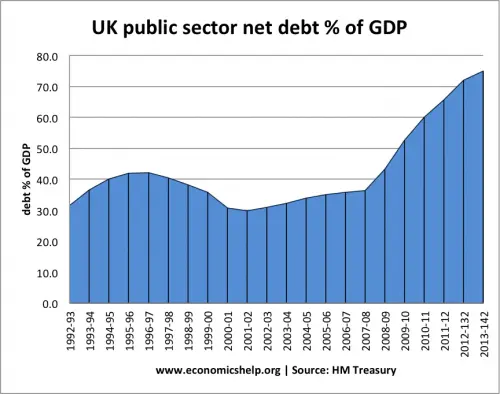
The implications of high government borrowing are multi-faceted. The UK’s national debt has surpassed £2 trillion, raising questions about fiscal responsibility and the potential impact on future generations. Economists warn that if the government fails to manage its debt levels effectively, it could lead to higher interest rates and inflation, which would ultimately affect consumers and businesses alike.
Moreover, the Bank of England’s recent actions to curb inflation by increasing interest rates may also complicate borrowing strategies. As borrowing costs rise, the burden of interest payments on existing debt will grow, potentially leading the government to make difficult spending choices in the future.
Conclusion
In conclusion, the current state of government borrowing in the UK reflects a critical juncture in the nation’s economic strategy. While the need for robust spending during recovery is evident, the trajectory of borrowing raises significant concerns about long-term fiscal health and economic stability. As policymakers navigate these complicated waters, it will be essential to strike a balance between necessary investment and fiscal prudence. Moving forward, continued monitoring of government borrowing trends will be vital for understanding their impact on the broader economy and public services.
 Yaw Appiah
 Ama Serwah
 Evelyn Mensah
 Kwame Ofori