
Introduction
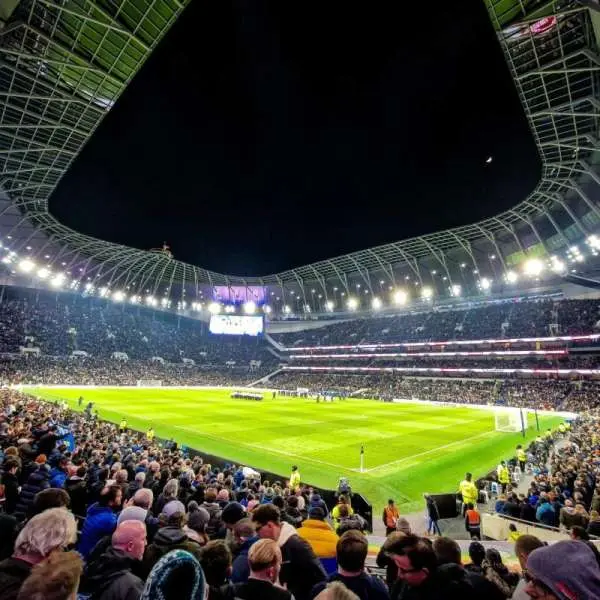
Tottenham Stadium, officially known as the Tottenham Hotspur Stadium, is more than just a football venue; it is a symbol of modern architecture and a catalyst for community development. Opened in April 2019, this state-of-the-art facility has redefined the standards of sports venues worldwide, making it relevant for both sports enthusiasts and local residents alike.
A State-of-the-Art Facility
Designed by the renowned architecture firm Populous, Tottenham Stadium boasts a capacity of over 62,000 seats, making it the largest club football stadium in London. The grand design incorporates numerous advanced features, including a fully retractable pitch allowing the arena to host both football and NFL games, a hospitality area with more than 60 eateries, and the unique ‘Tunnel Club’ experience for fans wishing to dine in the players’ tunnel before matches.
Economic and Social Impact
The stadium’s construction has had a profound impact on the local economy, generating over 4,000 jobs and contributing millions in revenue to local businesses. The surrounding area, known as Northumberland Development Project, has seen significant investment, with plans for retail, housing, and community spaces. The stadium also engages in various community initiatives, highlighting its commitment to local development. Events held at the stadium have included concerts, NFL games, and boxing matches, further broadening its appeal and relevance to the community.
Conclusion: Future Prospects
As Tottenham Stadium continues to attract global attention, plans are in place to further enhance its offerings. With increasing demand from sports fans and event attendees alike, predictions indicate that the stadium will play a pivotal role in the resurgence of London’s sporting landscape. Its integration of technology and fan experience will likely set new standards in sports venues for years to come, ensuring that Tottenham Stadium remains a cornerstone for both Tottenham Hotspur and the vibrant North London community.
 Yaw Appiah
 Ama Serwah
 Kwame Ofori