
Introduction
Pepe the Frog has emerged as one of the most recognisable characters in internet culture, transcending generations and sparking numerous discussions about meme usage and cultural appropriation. Originally created by cartoonist Matt Furie in his comic series ‘Boys Club’, Pepe’s evolution reflects the complexities of digital communication and online communities.
The Origins of Pepe
Pepe made his debut in 2005 in a comic series that portrayed the character in various relatable situations. His catchphrase, “Feels good man,” quickly resonated with internet users, propelling him into meme status. By 2008, Pepe’s image was widely shared on platforms such as MySpace and later, Reddit and 4chan. This transition from comic character to meme symbol illustrates the grassroots nature of internet culture, where relatable expressions and emotions take on a life of their own.
The Memetic Journey
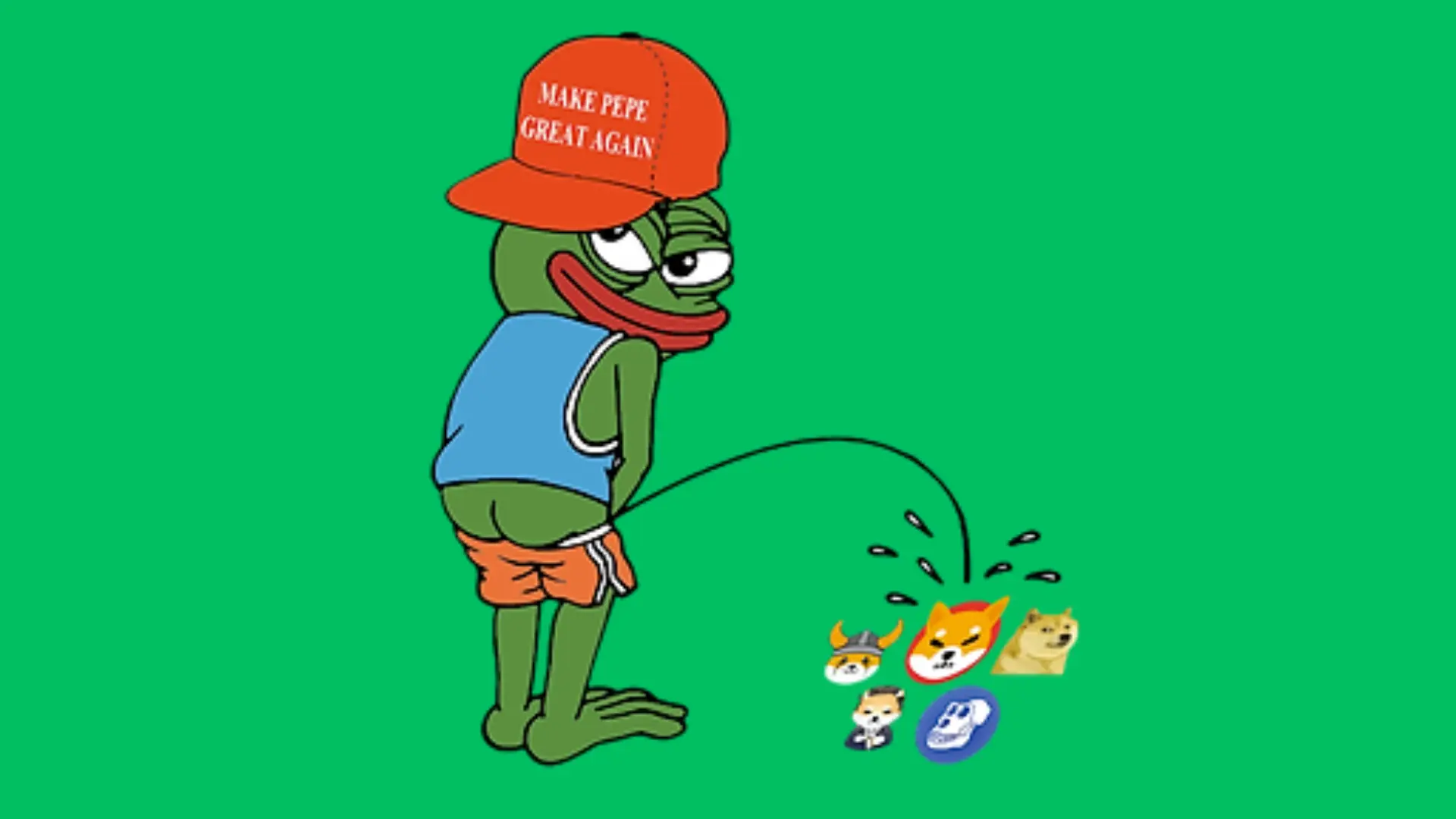
As digital platforms evolved, so too did Pepe. During the late 2010s, Pepe became entangled with political and social movements, particularly during the 2016 United States presidential election. Some users appropriated Pepe for their own agendas, leading to a controversial association with hate symbols, despite Furie’s original intention of promoting positivity and acceptance. In response, Furie launched campaigns to reclaim Pepe, emphasising the character’s message of inclusivity.
Legal Battles and Reclamation
In a notable 2019 case, Furie filed a lawsuit against individuals and websites that misused Pepes as symbols of hate, asserting his ownership and the character’s original message. The case highlighted the ongoing struggle of creators to protect their work in the age of infectious meme culture and underscored the importance of attributing original creators in meme usage.
The Future of Pepe
Despite the challenges, Pepe continues to thrive in a variety of contexts. He has been adapted into merchandise, NFTs, and even art exhibitions, showcasing Pepe as a versatile cultural icon. The character now serves as a reminder of the power of internet culture and its ability to adapt and endure. As discussions around internet safety and the implications of meme culture continue, Pepe’s story will likely serve as both a cautionary tale and an example of the resilience of digital expression.
Conclusion
In conclusion, Pepe the Frog represents not just a meme but a significant part of contemporary digital culture. As memes play an increasingly important role in communication, understanding Pepe’s journey offers insights into the broader implications of digital identity and expression. The ongoing conversation around Pepe invites readers to reflect on the responsibilities that come with sharing online content and the importance of supporting original creators.
 Kwame Ofori
 Ama Serwah
 Yaw Appiah