
Introduction
Red Star Belgrade, a name synonymous with Serbian football, holds a significant place in both national and European sporting history. Founded in 1945, the club has evolved into one of the most successful teams in the region, celebrated for its passionate fanbase and extensive trophy cabinet. Their achievements not only highlight the club’s prowess on the pitch but also embody the deep-rooted cultural identity of Serbia.
Historic Success
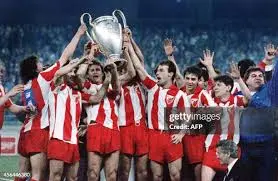
In the world of football, Red Star Belgrade is perhaps best known for its triumph in the 1990s, particularly winning the European Cup (now known as the UEFA Champions League) in 1991. The club’s victory against Olympique de Marseille in the final was a watershed moment, showcasing their skill and determination on the continental stage. Over the decades, Red Star has amassed numerous titles, including over 30 national championships and multiple domestic cups, cementing its position as a powerhouse in Serbian football.
Recent Developments
In recent years, Red Star has continued to build on its legacy, with notable performances in European competitions. The club has participated in the UEFA Champions League and the Europa League stages, facing off against some of the biggest names in football. Their participation not only elevates their status but also brings visibility to Serbian football internationally. Additionally, the club has seen an influx of young talents, signalling a promising future for the team as they strive to reclaim their position amongst Europe’s elite.
Fan Engagement and Cultural Impact
The Red Star Belgrade fans, known as “Delije,” are infamous for their dedication and support. The atmosphere at their home ground, the Rajko Mitić Stadium, known as the Marakana, is electric, particularly during the infamous Belgrade derby against Partizan. This rivalry, one of the most intense in the world, captures not only sporting but also cultural and historical tensions, making every match a focal point for both clubs’ fans and the nation. The involvement of supporters extends beyond matches, as they actively engage in various social initiatives, reflecting the deep relationship between the club and its community.
Conclusion
As Red Star Belgrade continues to navigate the modern football landscape, the club remains a symbol of resilience and pride for many. Their rich history and ongoing success underscore the importance of sporting culture in Serbia. With an eye on future achievements, both on and off the pitch, Red Star Belgrade is poised to maintain its status as a leading football institution in Europe. For fans and newcomers alike, the journey of Red Star reflects not just a story of sport, but also one of community, identity, and unwavering passion.
 Ama Serwah
 Yaw Appiah
 Evelyn Mensah
 Kwame Ofori