
Introduction
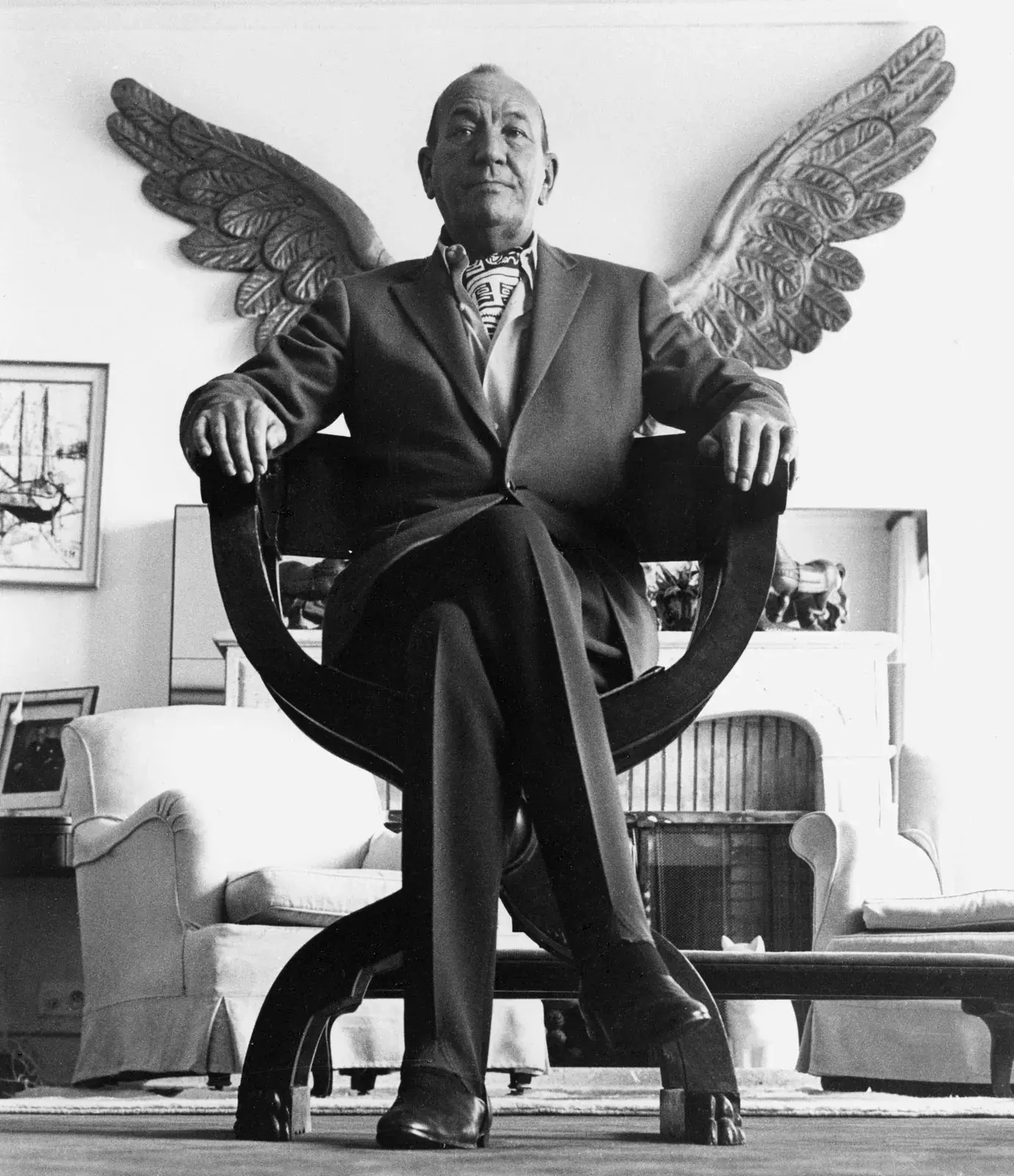
Noel Coward, born on December 16, 1899, in Teddington, England, is widely celebrated as one of the most prolific playwrights, composers, and actors of the 20th century. His unique ability to blend wit and tragedy has made a lasting impact on theatre and entertainment. As the anniversary of his passing is marked this year, his works remain relevant, continuing to reflect societal changes and human emotions. This article delves into Coward’s illustrious career, highlighting his contributions to theatre and music.
Early Life and Rise to Fame
From a young age, Coward exhibited extraordinary talent in writing and performing. He made his professional debut as a playwright at just 20 years old with the play “I’ll Leave It to You” in 1920. His career skyrocketed in the 1920s with successful productions such as “Hay Fever” and “The Vortex,” which showcased his signature style of sharp dialogue and sophisticated characters. His charm and charisma on stage helped him earn a devoted following, propelling him to international fame.
Contributions to Theatre and Music
Coward’s body of work includes more than 50 plays, numerous musicals, and a wealth of songs that have become classics. Among his most notable musicals are “Bitter Sweet” and “Blithe Spirit,” which illustrate his adeptness at both comedic and dramatic narratives. The latter, which debuted in 1941, is especially noteworthy for its exploration of the supernatural, combining humour with an insightful examination of love and loss. Coward’s ability to tackle complex themes with grace has cemented his status as a literary giant.
Legacy and Influence
The impact of Noel Coward extends beyond his own era; his works continue to inspire generations of playwrights and performers. In recent years, several of his plays have been revived or adapted for modern audiences, showcasing the timeless relevance of his themes. Coward’s influence is seen in contemporary theatre, where his clever dialogue and character-driven narratives resonate in current trends. Notably, celebrations of his life and work are held annually, ensuring that his legacy endures.
Conclusion
Noel Coward’s extraordinary contributions to theatre and music have not only entertained but have also offered profound insights into the human condition. His sharp wit and ability to evoke genuine emotion in audiences make him a pivotal figure in the history of the performing arts. As we reflect on his life and works, it is clear that Coward’s legacy will continue to influence the theatre landscape long into the future, reminding both artists and audiences of the power of artistic expression.
 Yaw Appiah
 Ama Serwah
 Kwame Ofori