
Introduction
Since its release in 2009, Zombieland has become a cultural phenomenon, melding comedy and horror in a way that resonates with audiences of all ages. The film, directed by Ruben Fleischer and featuring a star-studded cast including Jesse Eisenberg, Emma Stone, and Woody Harrelson, revitalised the zombie genre by incorporating humour and wit, making it relevant not only as entertainment but also as a commentary on survival instincts. With the recent surge in zombie-related media, understanding the significance of Zombieland remains imperative for fans and critics alike.
Plot and Themes
Zombieland presents a post-apocalyptic America ravaged by a undead outbreak. The film follows a group of survivors, colloquially known as “Columbus,” “Tallahassee,” “Wichita,” and “Little Rock,” as they navigate through a world dominated by flesh-eating zombies. Each character embodies different survival strategies, from Columbus’s rules for survival to Tallahassee’s reckless bravado. The interplay between the characters, coupled with comedic elements, highlights themes of friendship, the importance of human connections, and the absurdity of societal norms amid chaos.
Impact on Popular Culture
Since its debut, the film has inspired a surge of zombie-related content, including films, television shows, and video games. The fusion of horror with comedic elements has influenced subsequent productions, creating a niche for horror-comedy in mainstream cinema. Many notable works, including the TV series The Walking Dead and movies such as Shaun of the Dead, have drawn on Zombieland’s successful formula. The film’s iconic rules, such as “Cardio,” and “Double Tap,” have transcended the screen, leading to memes and shared references across social media platforms, further solidifying its status in modern pop culture.
Sequel and Future Prospects
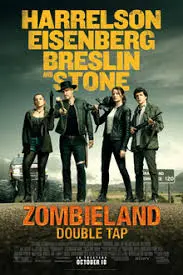
In 2019, a sequel titled Zombieland: Double Tap was released, reigniting the love for these beloved characters and bringing new life to the franchise. This follow-up maintained the original’s charm while introducing fresh scenarios and dynamics. Given the increasing popularity of horror-comedy, it’s conceivable that we may see further expansions of the Zombieland universe in various formats, such as television or streaming series, which would appeal to both long-time fans and a new generation.
Conclusion
Zombieland is more than just a horror-comedy; it offers insights into human resilience, the importance of community, and the absurdity of modern life. As audiences continue to enjoy the blend of horror and humour, the film’s legacy is likely to influence future generations of filmmakers and storytellers. With its timeless themes and unique perspective on the zombie genre, Zombieland will remain a significant contribution to both cinema and pop culture for years to come.
 Ama Serwah
 Kwame Ofori