
Introduction
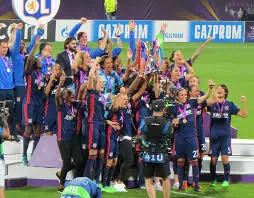
The UEFA Women’s Champions League has grown in stature over recent years, paralleling the rising popularity and recognition of women’s football globally. This prestigious tournament provides a platform for top-tier clubs from across Europe to compete at the highest level, highlighting the incredible talent of female athletes. With an increase in viewership and media coverage, the Women’s Champions League is crucial for advancing women’s sports and inspiring future generations of female players.
Recent Developments
The 2023 edition of the Women’s Champions League kicked off on September 26, 2023, with some compelling match-ups. Notably, the reigning champions, FC Barcelona Femení, defend their title against robust competitors like Chelsea and Lyon. During the opening rounds, clubs have showcased tactical brilliance and athleticism, further engaging fans and sponsors alike.
This season’s format continues to promote competitive balance, with 16 teams participating in the group stage, followed by knockout rounds leading to the final scheduled for June 1, 2024, in Eindhoven, Netherlands. Each match not only impacts the standings but also contributes significantly to the visibility and growth of women’s football in Europe.
Significance for Women’s Sports
The Women’s Champions League serves a dual purpose: it is a competitive arena for elite women footballers, and it plays a critical role in advocating for gender equality in sports. As media coverage expands and sponsorship deals increase, there is a tangible shift in how women’s sports are perceived, with more young girls encouraged to pursue football.
Major brands, such as Barclays and Mastercard, have begun to invest heavily in women’s football, reflecting a broader societal change towards embracing and supporting female athletes. UEFA has also been proactive in promoting the league through campaigns aimed at raising awareness and encouraging attendance at matches. According to UEFA, attendance figures have significantly risen, with an average increase of over 50% compared to previous seasons.
Conclusion
The Women’s Champions League is not just about football; it encapsulates a movement towards equality, empowerment, and recognition for female athletes. As the tournament continues to evolve, it is expected to attract even more talent and viewership, fundamentally altering the landscape of women’s sports. With greater investment and support, the future looks promising for women’s football at professional and grassroots levels, making the Women’s Champions League a significant player in this narrative.
 Kwame Ofori
 Ama Serwah
 Evelyn Mensah