
Introduction
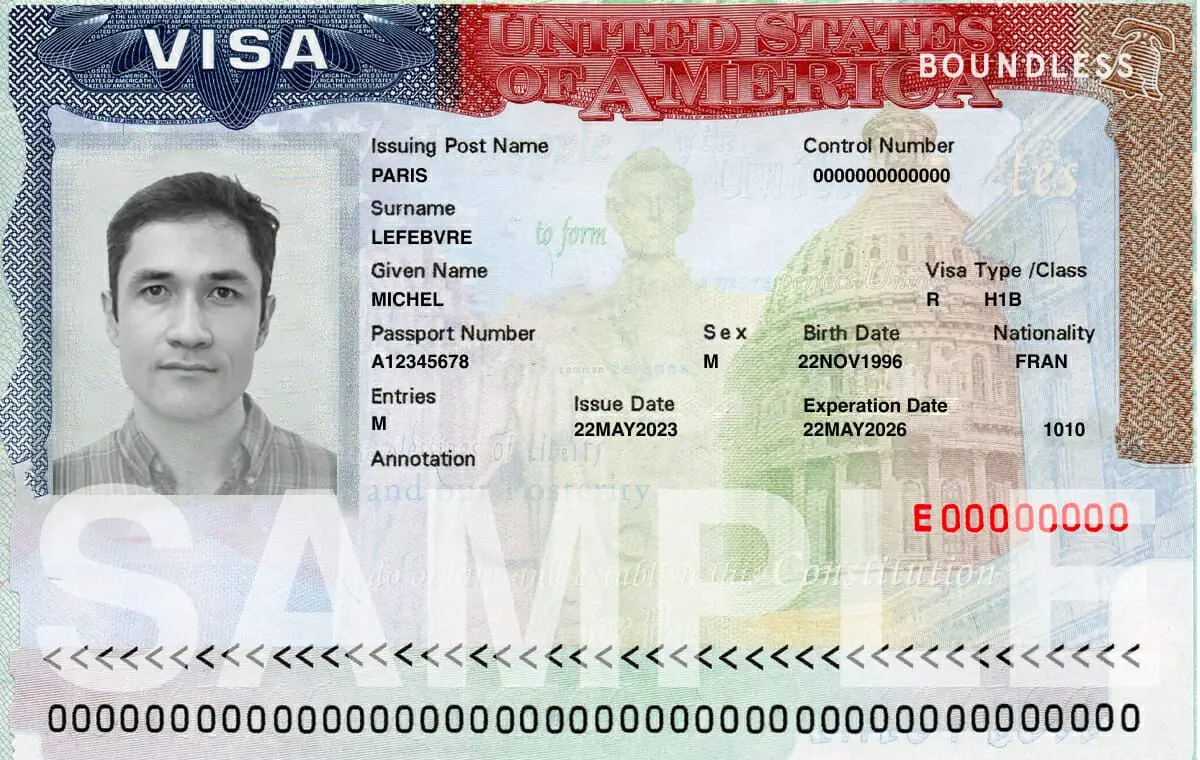
The H1B visa is a vital component of the United States’ employment landscape, allowing U.S. employers to temporarily employ foreign workers in specialty occupations. With the ongoing demand for skilled professionals in fields such as technology, healthcare, and engineering, the H1B visa remains a significant pathway for international talent seeking opportunities in the U.S. Following recent legislative changes and evolving immigration policies, understanding the nuances of the H1B visa process has become increasingly important for both employers and prospective visa applicants.
Main Body
The H1B visa programme allows companies to employ foreign workers in positions that require theoretical or technical expertise in specialised fields. Recently, the U.S. Citizenship and Immigration Services (USCIS) reported that the annual cap of 85,000 visas for the fiscal year 2024 was reached within just a few days of applications opening. This rapid allocation highlights the intensified competition among international professionals and employers vying for limited H1B slots.
In September 2023, the USCIS also implemented new rules intended to streamline the application process, aiming to reduce processing times and enhance the overall experience for both applicants and employers. These changes include reforms in the petition submission process and prioritisation of higher wage roles, which could potentially facilitate better job placements and increase salary standards within the job market.
However, challenges remain. Applicants often face long wait times and complex documentation requirements. Recently, a surge in requests to transfer H1B visas to new employers has raised concerns among applicants regarding job security and employer dependency. Furthermore, as global talent reshuffles, there is a call for reforms that would allow for more efficient visa transitions and extensions.
Conclusion
The H1B visa continues to play a critical role in addressing the skills gap in the American workforce. While recent policy changes aim to simplify the application process, ongoing challenges in processing and job stability remain concerning for many potential applicants. Moving forward, sectors reliant on H1B talent, including technology and healthcare, may drive advocacy for further reforms to the immigration system, ensuring that the U.S. remains a competitive destination for skilled workers globally. As businesses navigate this landscape, the importance of being well-informed about the H1B visa process cannot be overstated for both employers and job seekers alike.
 Ama Serwah
 Kwame Ofori