
Introduction
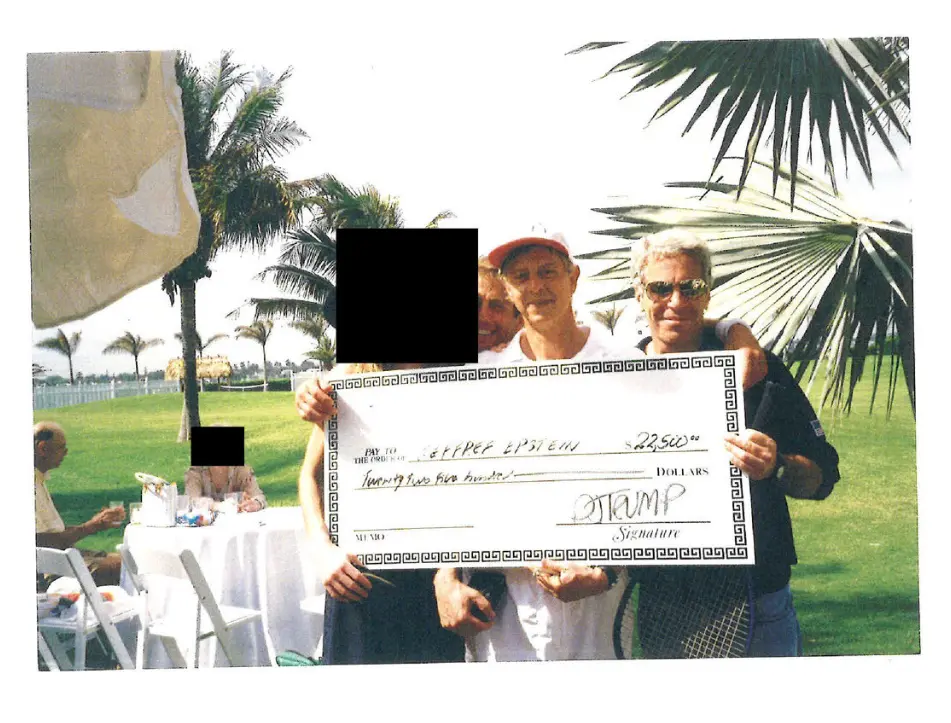
The recently uncovered Epstein birthday book has sparked intense media scrutiny and public interest due to its connections to some of the world’s most influential individuals. Jeffrey Epstein, the now-deceased financier and convicted sex offender, clearly had a wide-reaching circle of acquaintances. The contents of this birthday book reveal links that raise broader questions about power, privilege, and moral accountability among the elite.
Details of the Birthday Book
In October 2023, investigators released details about Epstein’s birthday book, which features the names, addresses, and contact information of prominent figures from various sectors including entertainment, politics, and business. The list includes names such as former presidents, celebrities, and well-known philanthropists. This book, originally meant to commemorate personal relationships, now serves as a conduit for examining the darker aspects of these connections.
Notably, the presence of these influential names has incited discussions around the implications of their associations with Epstein. Key players like Bill Clinton, Donald Trump, and renowned actors have been thrust into the spotlight as their ties to Epstein continue to unravel. Legal analysts and social commentators argue that having one’s name in the book doesn’t indicate guilt, but it does pose serious questions regarding the moral responsibilities of public figures when aligning themselves with individuals like Epstein.
The Impact on Public Perception
The revelation of the birthday book has been a pivotal moment in the ongoing discussions about accountability among the elite. As public interest grows, several high-profile individuals have begun to distance themselves from Epstein, issuing statements to clarify their relationships—or lack thereof—with him. For many, the inquiry is not only about Epstein’s crimes but also about the culture of silence that often surrounds wealthy and powerful figures.
Conclusion
As we move forward, the Epstein birthday book serves as a reminder of the complexities involved in high-profile relationships and the profound implications they can carry. It encourages us to question the ethics of those we elevate to positions of power and influence. As investigations continue, it is likely that more names and details will emerge, further complicating the narrative. Public curiosity remains high, echoing the sentiment that transparency and accountability are essential in dismantling webs of complicity surrounding such cases. Ultimately, this book might not just tell us who knew Epstein; it could open dialogues about justice, privilege, and the responsibilities borne by those at the top.
 Kwame Ofori
 Ama Serwah