
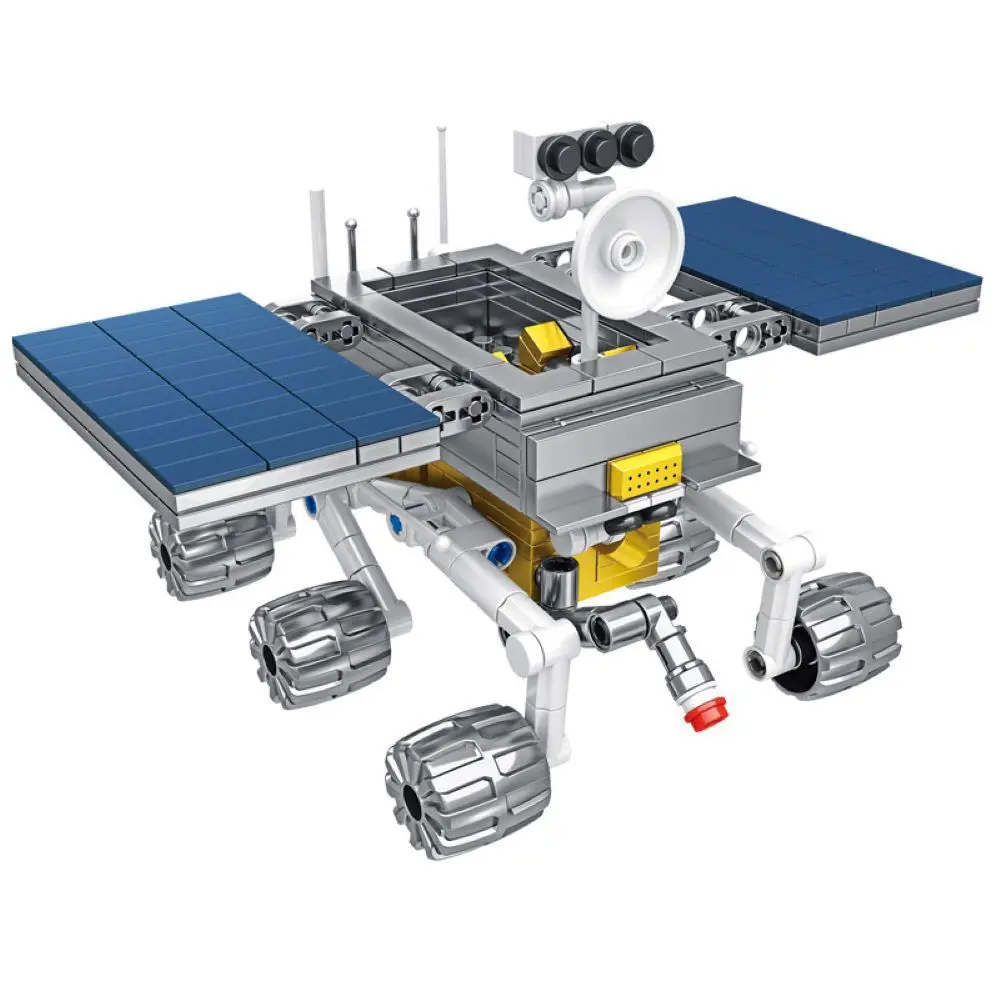
Introduction to the Curiosity Rover
The Curiosity Rover, part of NASA’s Mars Science Laboratory mission, has been pivotal in expanding our understanding of the Red Planet since its landing on August 6, 2012. This mobile laboratory has been key in investigating Mars’ geological features, climate history, and potential for past microbial life. As robotic exploration continues to evolve, Curiosity remains a focal point of current Martian research, influencing future missions aimed at human exploration.
Major Discoveries and Missions
Since its landfall, Curiosity’s significant achievements include the discovery of ancient lake beds, evidence of organic molecules, and variations in methane levels in the Martian atmosphere. In recent missions, the rover has explored the Gale Crater, providing insights into Mars’ climatic history through its geological diversity. For instance, findings from Curiosity indicated that Mars once had conditions suitable for sustaining life, which adds to the intrigue surrounding whether life ever existed there.
In 2023, Curiosity has continued its exploration, focusing on the “Glen Torridon” region—a site rich in clay minerals that could tell researchers more about past water activity. Recent findings suggest that these clays may hold information about how Mars transitioned from a warmer, wetter planet to its current cold, arid state.
Technological Advancements and Challenges
The rover is equipped with state-of-the-art technology, including advanced spectrometers and cameras designed to analyse soil and rock samples remotely. However, operation on Mars does not come without challenges. Dust storms and rugged terrain occasionally hinder its operations. Moreover, the long-distance communication between Earth and Mars introduces delays that can complicate mission adjustments.
Conclusion and Future Prospects
The significance of the Curiosity Rover stems not only from its impressive discoveries but also from its role in paving the way for human exploration of Mars. As we look forward, this robotic pioneer continues to provide invaluable data that informs future missions, including potential crewed missions to Mars in the 2030s. Keeping up with Curiosity’s progress offers a glimpse into humanity’s next steps in space exploration, inspiring generations to come.
 Yaw Appiah
 Evelyn Mensah
 Ama Serwah
 Kwame Ofori