
Introduction
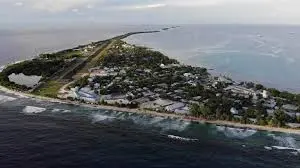
Tuvalu, a small island nation located in the South Pacific Ocean, is one of the most vulnerable countries in the world when it comes to climate change. With its highest point only about 4.5 metres above sea level, Tuvalu is at a significant risk from rising sea levels, which not only threaten to submerge the islands but also endanger the livelihoods of its approximately 11,000 inhabitants. Understanding the plight of Tuvalu is crucial, as it symbolizes the broader issues of global climate change and its effect on low-lying nations.
The Current Situation
Recent reports have confirmed that Tuvalu has been experiencing increasing incidences of flooding, coastal erosion, and saltwater intrusion. The country’s prime minister, Kausea Natano, has raised alarms in various international forums, urging global leaders to take immediate action to combat climate change. According to the Intergovernmental Panel on Climate Change (IPCC), scenarios predict that sea levels could rise by as much as one metre by 2100 if greenhouse gas emissions are not significantly reduced. For Tuvalu, this could mean the loss of its territory, and consequently, its culture and identity.
International Response
In response to these challenges, Tuvalu has been actively participating in international climate negotiations, advocating for stronger commitments to reduce carbon emissions. The nation was one of the first to call for a global commitment to limiting warming to 1.5 degrees Celsius and has been a vocal supporter of various climate accords, including the Paris Agreement. In recent negotiations, Tuvalu has emphasised the need for comprehensive funding for adaptation strategies, allowing the nation to build resilience against climate impacts.
Community Initiatives
On a local level, Tuvalu has implemented various initiatives aimed at enhancing resilience. These include developing mangrove restoration projects, promoting sustainable agriculture practices, and expanding freshwater storage to combat the challenges associated with saltwater intrusion. Educational programmes also aim to prepare the next generation for the impacts of climate change and ensure the preservation of Tuvaluan culture and legacy.
Conclusion
As Tuvalu grapples with the existential threat posed by climate change, it serves as a dire reminder of the urgent need for global action. The survival of Tuvalu hinges not just on national and regional efforts, but on collective international will and commitment. With rising sea levels threatening numerous other low-lying nations, the implications of Tuvalu’s crisis resonate far beyond its shores. Urgent and sustained action is essential, not only for Tuvalu’s future but also for the planet as a whole.
 Evelyn Mensah
 Ama Serwah
 Kwame Ofori