
Introduction
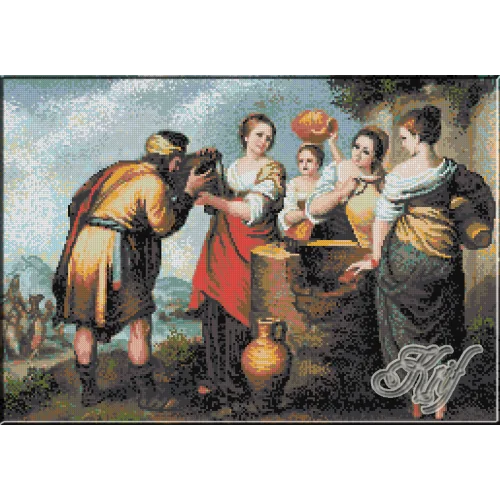
The Spanish Baroque painter Bartolomé Esteban Murillo, often known simply as Murillo, is celebrated for his rich contributions to art during the 17th century. His mastery of light, colour, and emotional depth left an indelible mark on the art world, making him an essential figure for art historians and enthusiasts alike. As contemporary art markets increasingly highlight Murillo’s works, understanding his legacy and significance has never been more pertinent.
Life and Career
Murillo was born in Seville in 1617 and began his artistic career in his hometown, where he was significantly influenced by the works of Francisco de Zurbarán and the Spanish school of painting. His travels throughout Europe, particularly to Italy, allowed him to absorb the techniques of the Old Masters and develop his own distinctive style. By the 1650s, Murillo had gained prominence in the Seville art scene, creating works that resonated with both religious themes and everyday life.
Major Works
Some of Murillo’s most renowned works include “The Immaculate Conception,” which epitomises his ability to blend spirituality with a sense of warmth and humanity. Another notable painting, “The Young Beggar,” showcases his skill in depicting the innocence and resilience of youth against a backdrop of poverty. His crisp, vibrant colours and the tenderness of his subjects compel viewers, a technique that remains influential among contemporary artists.
Recent Rediscoveries and Exhibitions
In recent years, a resurgence of interest in Murillo has emerged, particularly leading up to several major exhibitions in notable galleries, such as the National Gallery in London and the Museo del Prado in Madrid. Scholars and curators have been working diligently to rediscover forgotten works and make them accessible to modern audiences, offering new interpretations of Murillo’s oeuvre. Art experts estimate that previously unrecognised pieces may still be uncovered, further reshaping the narrative of his artistic journey.
Conclusion
The enduring legacy of Murillo is evident not just in the art community but also in popular culture, where his impact can be felt across various art forms. As museums continue to showcase his works and new research sheds light on his creative processes, Murillo’s contributions to Baroque art are likely to be cultivated further. This revitalisation not only affirms Murillo’s importance but also serves as an inspiration for future generations of artists and art aficionados. As the appreciation for his art expands, one can only speculate what new discussions Murillo’s works will ignite in the art world.
 Ama Serwah
 Kwame Ofori
 Evelyn Mensah