
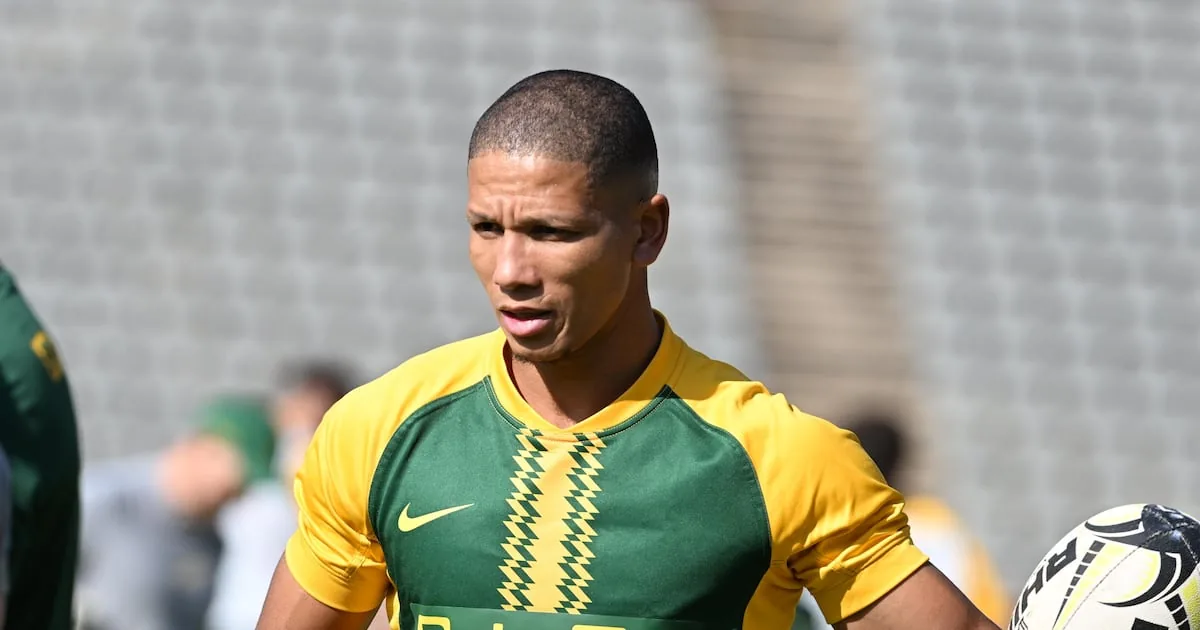
Springboks face demanding schedule
The Springboks are preparing for what is described as a demanding period in their history, with coach Rassie Erasmus maintaining a strategy that combines experienced players with emerging talent. This approach is aimed at securing a third World Cup victory in the upcoming year.
The team’s schedule commences with a Nations Championship fixture against England at Ellis Park. This match marks the beginning of a run of 13 matches, during which South Africa is set to compete against every top-tier nation within a single calendar year. This will be only the second time in history such a comprehensive schedule has occurred.
The last instance of the Springboks facing all top-tier nations in a calendar year was in 1998. During that period, the team achieved a record-equalling run of 17 consecutive wins, which had started in mid-1997. The only notable side not faced then was Italy, which was not yet part of the Five Nations.
The current schedule includes matches against all Six Nations teams, a four-Test series against the All Blacks, and away matches against Argentina and Australia. The season will conclude with a Nations Championship decider later in the year, making it a particularly extensive season.
This season’s structure is somewhat comparable to the 2022 season, which also served as a build-up to the World Cup, where the team played against every opponent except Scotland.
Erasmus’s squad management strategy
Coach Rassie Erasmus, who participated in 16 of the 17 consecutive wins nearly 30 years ago, has reiterated the importance of a rotational squad system. This strategy is expected to be crucial for the team during this challenging season.
Erasmus had previously announced a squad of 46 players and has already determined the team for the initial match against England. He indicated that the team selection for the first test is set, and if successful, it would inform decisions for the subsequent match against Scotland.
The coach’s philosophy, referred to as “Erasmus mathematics,” focuses on combinations, where the collective strength of the squad is considered to be greater than just the match-day 23 players. With the 2027 World Cup as a long-term objective, Erasmus suggested that he is open to experimentation.
While winning remains a priority, Erasmus believes it is necessary to make adjustments now. He stated that the team needs to test various strategies while still aiming to win test matches.
Performing well in the current season is seen as a significant factor for players to secure spots in the World Cup squad, irrespective of their age. Erasmus emphasized that age does not dictate performance and that the current period will clarify the team’s composition.
Erasmus also mentioned his preference for including players rather than excluding them. He confirmed that experienced players like Handre Pollard and Marco van Staden would not be discarded, even after the Bulls’ URC final defeat to Leinster.
He highlighted Marco van Staden as a consistently strong performer for the team. Regarding Handre Pollard, Erasmus noted his contributions to the team’s trophy wins and stated that his form dipping does not warrant his removal from consideration. Pollard is 31 years old and has no reported injuries.
Erasmus also mentioned other flyhalves such as Damian Willemse, Manie Libbok, and Sacha Feinberg-Mngomezulu, once he is fit. He expressed confidence in the team’s options at the flyhalf position.
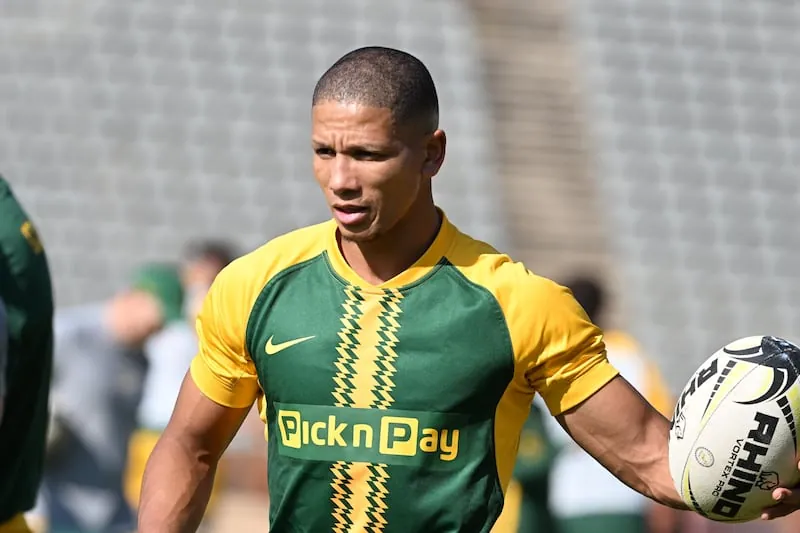
The coach’s vision is credited with building depth within the squad, contributing to the Springboks‘ status as a leading team in the world. The upcoming season presents an opportunity to demonstrate this strength.
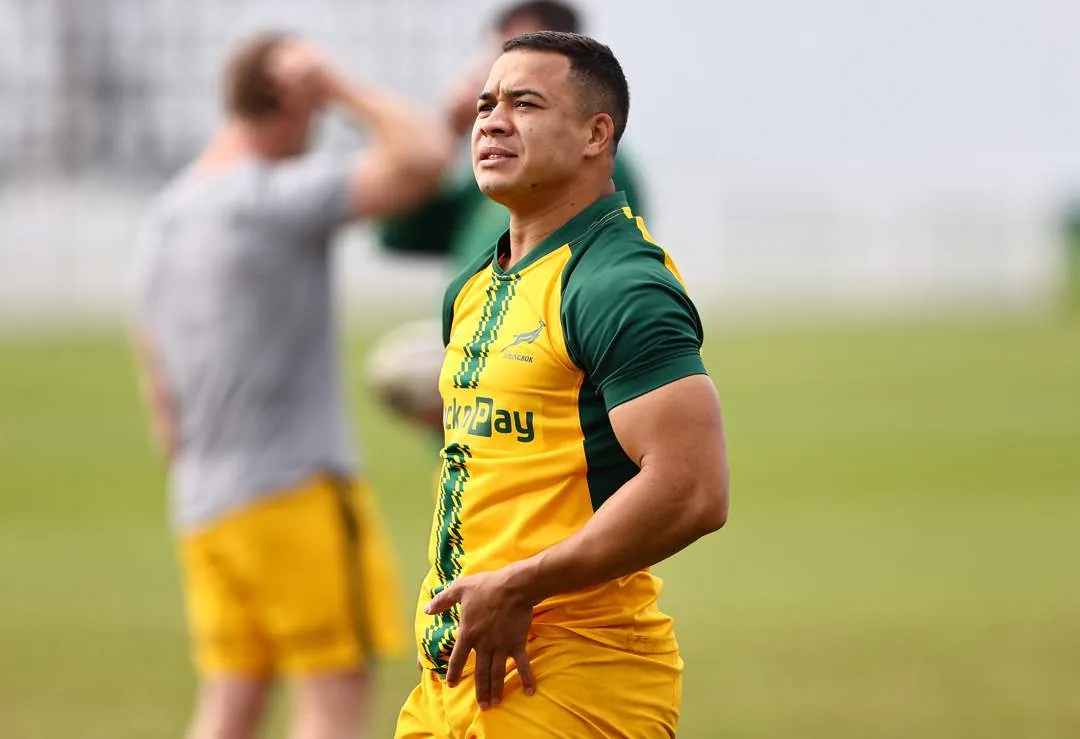
The focus on squad depth and strategic rotation aims to prepare the team for the demanding schedule ahead, starting with the Nations Championship opener against England.
Source: sundaytimes.timeslive.co.za
 Ama Serwah
 Yaw Appiah
 Evelyn Mensah