
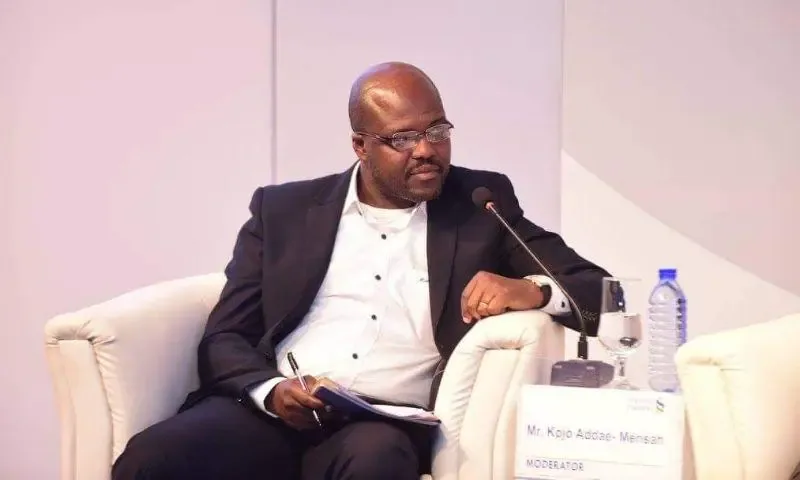
Concerns over club dependency
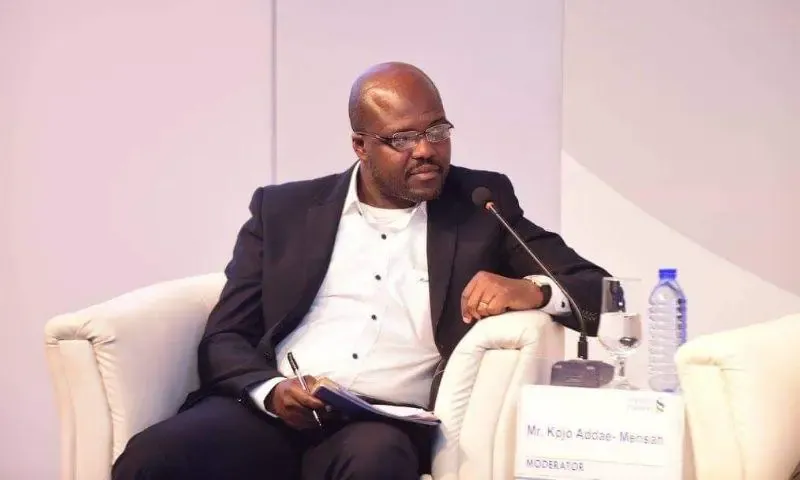
Sports analyst Kojo Addae-Mensah has issued a caution regarding the Ghana Football Association’s (GFA) increased financial assistance to clubs. He suggests that while the funding offers temporary relief, it may foster dependency unless clubs are also supported in developing sustainable revenue streams. Speaking after the GFA Congress at Prampram, Addae-Mensah acknowledged the financial interventions but questioned their long-term impact on Ghana’s football ecosystem.
The GFA Congress saw announcements of significant financial support. Division One clubs are set to receive GH¢120,000 each, while Women’s Premier League clubs will each get GH¢100,000, with officiating costs also being covered. Furthermore, Premier League clubs are slated to receive GH¢1 million each for the 2026/27 season. Addae-Mensah described this reliance on GFA financial support as unsustainable.
Addae-Mensah proposed that Ghanaian football authorities should instead focus on mechanisms that enable clubs to generate their own income, drawing parallels with financial sustainability regulations observed in European football. He noted that while the GFA’s efforts to address its members’ problems are understandable, the current approach provides only a temporary reprieve and is not sustainable in the long run.
He expressed concern that clubs might become increasingly reliant on GFA support, particularly as many already face challenges in covering basic operational costs. Addae-Mensah cited instances where clubs rent buses for matches, suggesting that transport support could solve an immediate issue but also encourage clubs to seek further aid without developing independent revenue streams. He warned that such interventions could become problematic if clubs do not simultaneously establish their own income sources, stating that the “freebies will dry out.”
Developing sustainable frameworks
Addae-Mensah advocated for Ghana to create its own framework for financial sustainability, rather than perpetually depending on financial injections. He suggested that football authorities should implement rules requiring clubs to operate on a financially sustainable basis, while also acknowledging that different clubs might employ varied business models. He explained that some clubs might prioritize player development and sales, while others could pursue alternative commercial strategies.
The analyst also questioned whether the success of the GFA’s investments should be primarily measured by the amount of money distributed. He argued that the true measure should be whether these investments ultimately lead to stronger clubs, improved player quality, enhanced competitions, and a financially sustainable football industry.
Transparency in the management of football finances was another concern raised by Addae-Mensah. Despite acknowledging the GFA’s status as a private association with the right to set its own rules, he contended that football’s broad public and commercial appeal necessitates greater openness and scrutiny. He highlighted that football, unlike other private organizations, attracts tens of thousands of spectators to stadiums and garners significant public interest, suggesting that greater transparency would enable stakeholders to better understand the association’s decisions and contribute to the growth of Ghanaian football.
The recent GFA Congress primarily focused on financial support, welfare, youth development, and investment in domestic competitions. However, Addae-Mensah emphasized that the effectiveness of these measures would ultimately depend on their sustainable implementation.
Progress at Ghanaman Soccer Centre of Excellence
In related news, GFA President Kurt Edwin Simeon-Okraku provided an update on the progress at the Ghanaman Soccer Centre of Excellence (GSCE). He described the facility as a lasting legacy for Ghana football and a crucial hub for talent development, technical education, and high-performance training. During the 32nd Ordinary Session of Congress, President Simeon-Okraku reported steady advancements on several key projects at the technical centre, with further developments anticipated.
The multipurpose tennis court at the GSCE has been fully completed, and the construction of the gymnasium is also finished. The GFA is currently collaborating with FIFA to equip the gymnasium with modern, state-of-the-art equipment to support the physical preparation, conditioning, and rehabilitation needs of Ghana’s national teams and domestic clubs. This facility is expected to become an important part of the GFA’s high-performance infrastructure, offering athletes enhanced resources for elite-level competition.
President Simeon-Okraku also announced that all administrative procedures for the construction of a 40-bed accommodation facility at the GSCE have been finalized, paving the way for construction to commence. This project, named the Qatar 2022 CourtYard, is being funded by proceeds from Ghana’s participation in the FIFA World Cup Qatar 2022, supplemented by the GFA’s internally generated funds. The accommodation facility is part of the GFA’s broader strategy to enhance the Centre’s capacity to host and develop young footballers, national teams, and other football stakeholders.
A significant achievement in the Centre’s development is the resolution of a long-standing land dispute. President Simeon-Okraku confirmed that the GFA has finally secured the property after years of litigation and has successfully fenced the entire 64.25-acre GSCE land. The construction of a block wall around the entire property has been completed, securing the Centre’s boundaries and protecting the land from encroachment. Additionally, a new main entrance has been constructed to improve access to the facility. President Simeon-Okraku stated that the ongoing development of the GSCE is central to the GFA’s long-term vision for football infrastructure in Ghana, as reported on Friday, August 21.
Source: asaaseradio.com
 Ama Serwah
 Yaw Appiah
 Kwame Ofori
 Evelyn Mensah