
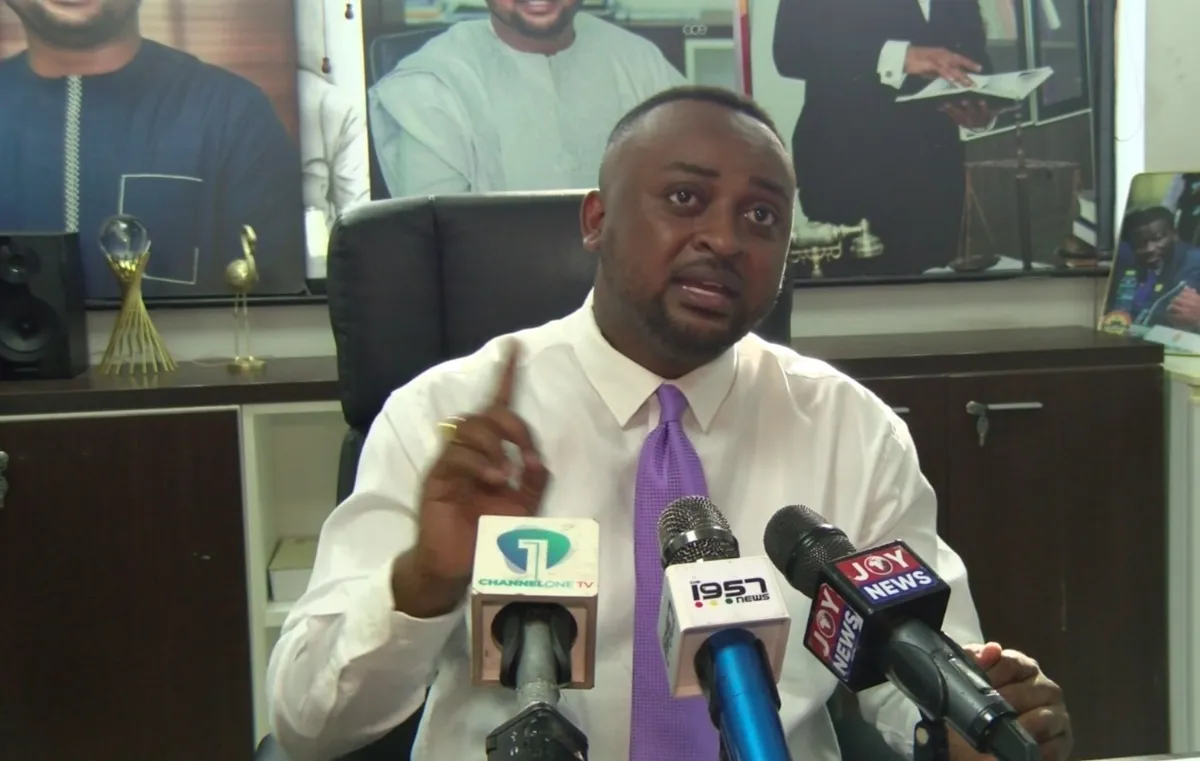
Old Tafo MP Vincent Ekow Assafuah has urged the government to suspend the Ghana School of Law entrance exams, scheduled for July 31, 2026. He claims the government has betrayed students’ trust by failing to abolish these exams as previously promised.
Before this development, many law students relied on public assurances from government officials that the entrance exams would be eliminated. The announcement of their continuation has left many feeling misled and unprepared.
The decisive moment came when Assafuah publicly criticized the Majority Chief Whip for creating confusion regarding the role of the Independent Examination Council (IEC) in organizing these exams. The IEC is responsible for overseeing examinations for prospective law students, but its involvement was not clearly communicated.
Students had anticipated a different path based on prior government statements. Many chose not to prepare for these exams, trusting that they would not have to face them. As Assafuah noted, “Those assurances have now proven unreliable.” This has raised concerns about academic preparedness and fairness.
The impact on law students is immediate and significant. Many are now scrambling to prepare for an exam they believed would not occur, leading to increased stress and anxiety among those who had hoped for a more straightforward route into legal education.
Assafuah’s demand for an unqualified apology from the government highlights a growing frustration among students and advocates alike. He emphasized that this situation could undermine confidence in governmental commitments.
The National Democratic Congress (NDC), which Assafuah represents, has been vocal in its support for students facing this sudden change. They argue that such decisions should prioritize student welfare and transparency over bureaucratic processes.
This controversy raises broader questions about how educational policies are communicated and implemented. The reliance on government assurances has left many feeling vulnerable and uncertain about their futures in law.
As discussions continue, it remains crucial for all stakeholders to engage constructively. Students deserve clarity and support as they navigate these unexpected challenges in their academic journeys.
 Yaw Appiah
 Kwame Ofori
 Evelyn Mensah
 Ama Serwah