
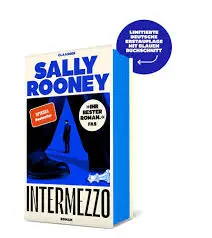
Introduction
Sally Rooney, an Irish author, has quickly risen to prominence as one of the most influential and distinctive voices in contemporary literature. Her novels explore complex human relationships, social dynamics, and the struggles of modern life. Rooney’s work resonates with a wide audience, making her relevance undeniable in today’s literary landscape.
Major Works
Rooney’s debut novel, Conversations with Friends, was published in 2017 to critical acclaim. The story follows two college students and their complex relationships with an older married couple. It showcases her skill in capturing the nuances of human interaction and emotional depth. The novel’s success firmly established Rooney as a talent to watch.
Her second novel, Normal People, released in 2018, further solidified her status as a literary powerhouse. This story of two teenagers from different backgrounds navigating love and identity struck a chord worldwide, particularly among younger readers. It has since been adapted into a successful television series, amplifying Rooney’s exposure and allowing her insights into relationships to reach an even wider audience.
Writing Style and Themes
Rooney’s writing is characterised by its sharp dialogue and keen observation of contemporary themes. Her narratives often explore class divides, the complexity of friendships, and the impact of societal expectations on personal relationships. Critics have praised her ability to balance emotional intensity with an intellectual approach, creating a rich reading experience that challenges and engages her audience.
Recent Developments
In 2021, Rooney released her third novel, Beautiful World, Where Are You, which again received positive reviews for its insights into modern life and relationships. Rooney has also been noted for her strong stance on issues such as social justice, politics, and feminism, using her platform to amplify important conversations.
Conclusion
As she continues to write and influence the literary world, Sally Rooney remains an essential figure for readers interested in the intricacies of relationships and societal dynamics. Her ability to articulate the challenges of contemporary existence secures her place as a voice for a generation. Looking ahead, readers can anticipate Rooney’s future works, which are likely to continue pushing boundaries and inviting critical thought, ensuring her legacy will only grow stronger in the years to come.
 Kwame Ofori
 Ama Serwah