
Introduction
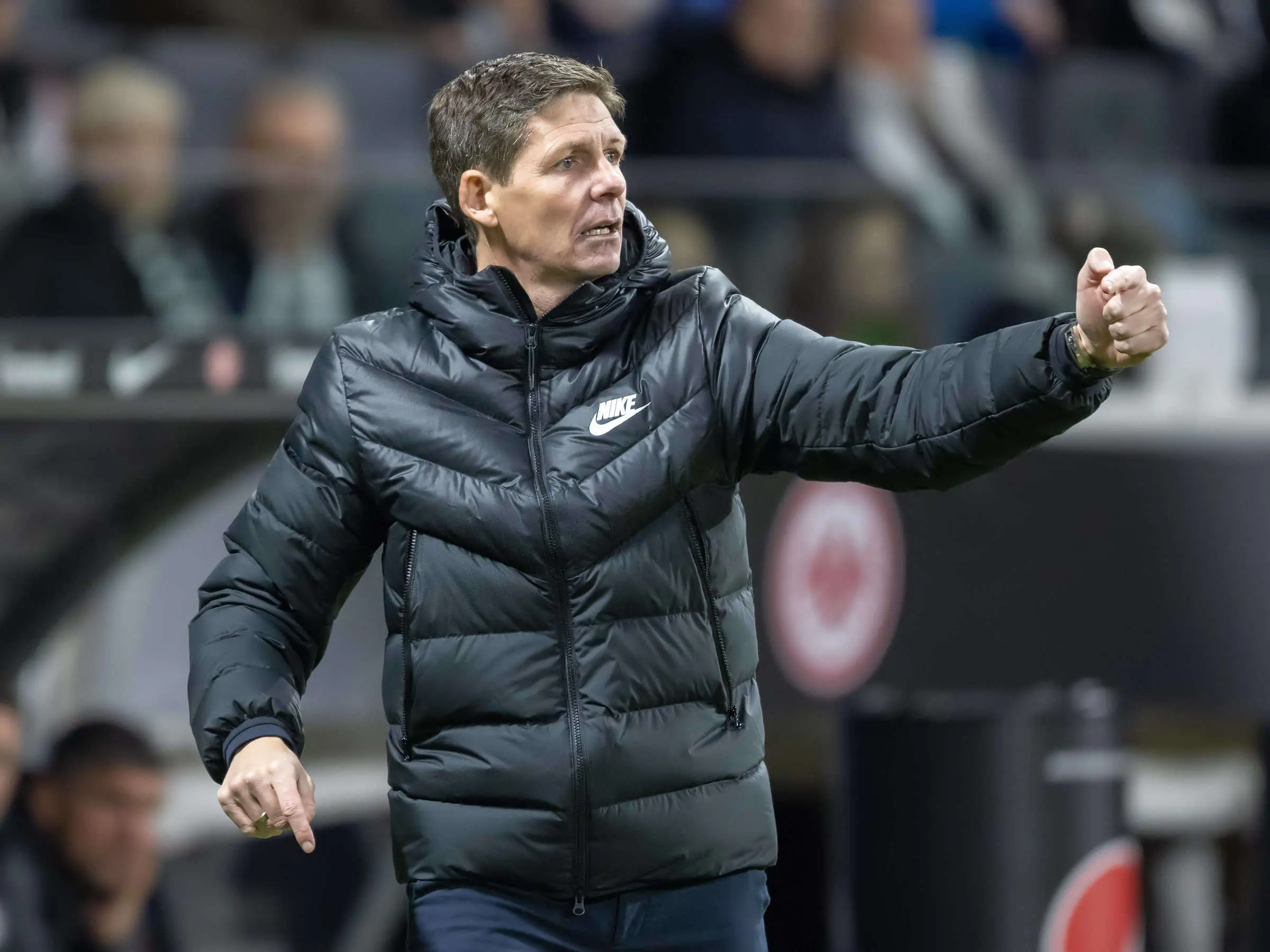
Oliver Glasner has emerged as one of the most promising young coaches in European football, showcasing innovative tactics and a keen understanding of the game. His impact on clubs and the footballing community has made him a subject of interest and relevance in today’s sports news. With the ongoing seasons allowing him to prove his mettle further, fans and analysts alike are keenly watching his progress and strategies.
Career Overview
Glasner began his managerial career at the Austrian club LASK Linz in 2015, leading them to promotion to the Austrian Bundesliga. His tactical acumen was evident as he transformed LASK into a competitive side, finishing the 2018-2019 season in second place, the club’s best in decades. This success caught the attention of bigger leagues in Europe, and he took on a new challenge at VfL Wolfsburg in Germany’s Bundesliga in 2019.
During his tenure at Wolfsburg, Glasner guided the team to a fourth-place finish in the 2020-2021 season, securing a spot in the UEFA Champions League. His style of play, which emphasizes high pressing and quick transitions, earned him praise and recognition, solidifying his reputation as a tactician who can compete at the highest levels of the game.
Current Developments
As of the 2023 season, Glasner has taken over at Eintracht Frankfurt, where he aims to build on the club’s European success. Eintracht had a strong showing in the UEFA Europa League, and Glasner’s arrival is seen as a pivotal moment to maintain that momentum. Early indications suggest that he is implementing his dynamic playing style effectively, though the team faces stiff competition in both domestic and European competitions.
Recent matches have showcased Glasner’s ability to adapt and strategise against various opponents, emphasising his flexibility and depth of understanding of the game. His focus on nurturing young talents while retaining experienced players is a dual strategy likely to enhance the team’s performance moving forward.
Conclusion
Oliver Glasner’s journey in football management is still in its formative years, but his successes thus far indicate a bright future ahead. As he continues to navigate the challenges of managing top-flight teams, especially in the key European stages, the football community eagerly anticipates how his tactical innovations will shape the outcomes of the matches to come. His ability to lead teams to success could position him among the elite managers in European football, making his career one to watch.
 Ama Serwah
 Yaw Appiah
 Kwame Ofori