
Introduction
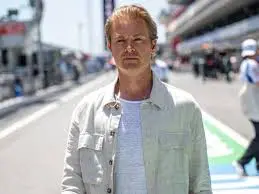
Nico Rosberg, the 2016 Formula One World Champion, has continued to make headlines since retiring from racing. His journey from the racetrack to the world of environmental advocacy highlights the importance of sustainability in sports and beyond. This transition has not only reshaped his career but has also instigated crucial conversations about the future of motorsports and their environmental impacts.
Rosberg’s F1 Career
Born on June 27, 1985, in Wiesbaden, Germany, Rosberg made his Formula One debut in 2006 with the Williams team. His career spanned a decade, but it was his time with Mercedes that established him as a top competitor. In 2016, Rosberg secured his place in history by winning the World Championship, narrowly defeating teammate Lewis Hamilton in a nail-biting season filled with thrilling races.
Retirement and Environmental Advocacy
Shortly after clinching the title, Rosberg stunned the motorsport world by announcing his retirement from Formula One. He cited the intense pressure of competitive racing and the pursuit of personal happiness and family time as key reasons for his decision. However, Rosberg did not step away from the spotlight for long. Instead, he shifted his focus to sustainability, establishing the “Rosberg X Racing” team in the newly founded Extreme E series. This electric racing championship aims to raise awareness about climate change and promote eco-friendly technologies in motorsport.
In the spirit of his advocacy, Rosberg has been vocal about the critical need for the automotive industry to pivot towards sustainable practices. He has participated in various discussions and initiatives exploring how racing can be more eco-conscious, pushing for updates in the sport’s regulations to support greener technologies.
Recent Developments and Future Outlook
As of 2023, Rosberg continues to leverage his celebrity status to promote environmental awareness. He launched several campaigns focusing on renewable energy and has collaborated with numerous non-profit organisations. His passion for sustainability also sees him investing in green technologies, showcasing his commitment to leaving a positive impact on the planet.
Conclusion
Nico Rosberg’s journey from a celebrated F1 driver to an influential advocate for environmental sustainability exemplifies a powerful narrative of personal evolution and responsibility. His ongoing efforts encourage both fans and fellow athletes to consider the environmental footprint of their practices. As Rosberg champions the cause of sustainability within motorsport, the hope is that more sectors will take a cue from his advocacy, leading to a greener future for industries worldwide.
 Ama Serwah
 Kwame Ofori
 Evelyn Mensah