
Introduction
The presence of Russian drones near Poland has raised significant alarm within NATO, prompting discussions on defence readiness in Eastern Europe. As tensions escalate between Russia and Ukraine, the implications for NATO member states, particularly Poland, are becoming increasingly critical. This article explores the recent developments and NATO’s strategies to counter potential threats carried by Russian drone activities.
Recent Developments
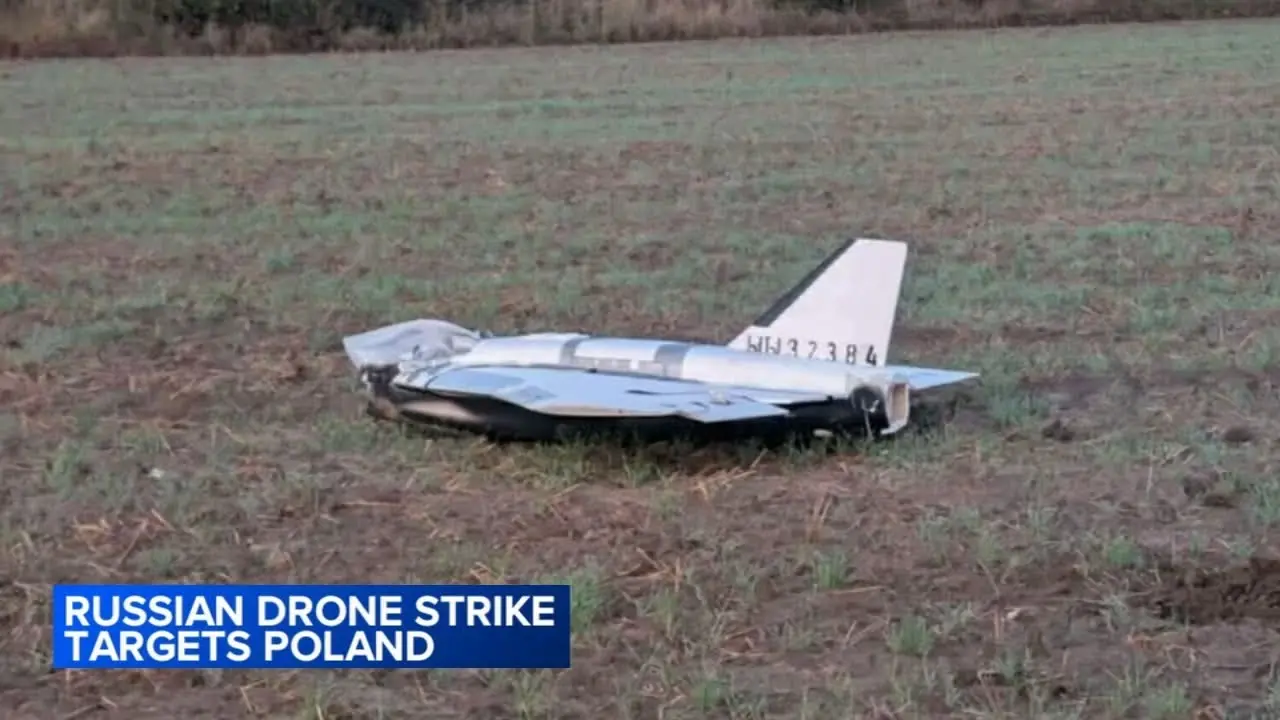
In recent months, reports of Russian drones operating near the Polish border have been on the rise. Polish airspace has seen an increase in surveillance activities, with both national and NATO forces closely monitoring these incursions. On September 30, Polish military sources confirmed sightings of unmanned aerial vehicles (UAVs) that were believed to be part of a reconnaissance mission by Russian forces. Such operations have caused a stir, leading to emergency meetings within NATO to discuss potential threats to regional security.
NATO’s Response
In light of the drone incursions, NATO has taken steps to bolster its air defences in Poland. This includes the deployment of additional fighter jets and surveillance systems to ensure a rapid response capability. NATO Secretary General Jens Stoltenberg stated, “We stand firm in our commitment to protect every ally, and this includes ensuring that our airspace is secure from hostile actions.” The alliance’s focus on enhancing air policing missions over Poland has been underscored by recent military exercises aimed at improving coordination among member states.
Implications for Regional Security
The presence of Russian drones not only poses a military threat but also has broader implications for the geopolitical landscape in Eastern Europe. Experts warn that continued drone operations could lead to miscalculations or unintended confrontations. Polish Defence Minister Mariusz Blaszczak reiterated the importance of NATO’s unity and readiness, stating, “We cannot underestimate the capabilities of our adversaries; our defence posture must reflect that understanding.” He confirmed that Poland would continue to invest in advanced drone detection technologies to enhance its security infrastructure.
Conclusion
As NATO and its allies navigate the complexities of increased Russian drone activities, the situation remains fluid. The alliance’s proactive measures demonstrate a collective commitment to deter aggression and ensure the safety of its members. Looking ahead, observers anticipate that this issue will remain a focal point of NATO’s strategic planning, with an emphasis on technological advancements in drone defence systems. For residents and policy makers in Poland, the implications of this evolving situation highlight the ongoing necessity of vigilance in safeguarding national and regional security.
 Yaw Appiah
 Evelyn Mensah
 Kwame Ofori
 Ama Serwah