
Introduction
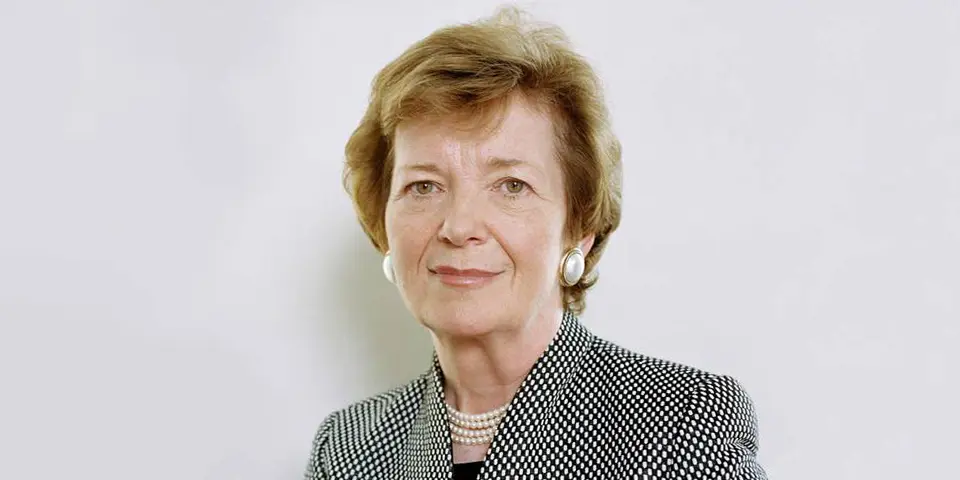
Mary Robinson, the first female President of Ireland, has emerged as a significant figure in the advocacy for climate justice and human rights. Her commitment to addressing the intersection of climate change and social equity makes her journey relevant in today’s global efforts to combat climate-related crises. With the stakes higher than ever as climate emergencies intensify across the globe, her voice resonates as an urgent call for equity and action.
Career and Advocacy
Robinson’s career spans decades, beginning with her tenure as a barrister and her time in politics as a member of the Irish Senate. She served as President from 1990 to 1997 and subsequently held the position of United Nations High Commissioner for Human Rights. In these roles, she championed human rights while laying the groundwork for her current work on climate justice.
As the founder of the Mary Robinson Foundation—Climate Justice, established in 2010, she has focused on the need to integrate human rights into climate change discourse. Robinson argues that vulnerable communities are disproportionately affected by climate change and has called for policies that support those most at risk. Her efforts aim to ensure that climate action is inclusive and equitable.
Recent Events and Key Contributions
In recent developments, Robinson has been vocal about the urgent need for global leaders to step up in response to climate change’s impacts, particularly in light of the COVID-19 pandemic’s lessons on inequality. Her participation in the recent UN Climate Change Conferences (COP) has spotlighted the necessity of immediate and collective action to mitigate climate crises.
Furthermore, she has recently spoken at multiple international forums, including the World Economic Forum and various global summits, urging for a paradigm shift that prioritises sustainable development and human welfare. Her influence continues to inspire a new generation of activists and leaders to adopt a climate justice framework in their strategies.
Conclusion
Mary Robinson’s work reminds us that addressing climate change cannot be separated from human rights. As countries prepare for global climate negotiations, her advocacy underscores the critical need for inclusive solutions that consider the rights of all individuals. Her efforts are not just about protecting the environment; they are about ensuring justice for those who have contributed the least to environmental degradation yet suffer the most from its consequences. With Robinson leading the charge, the call for climate justice is louder and clearer, paving the way for actionable frameworks aimed at achieving a sustainable future for everyone.
 Evelyn Mensah
 Ama Serwah
 Kwame Ofori