
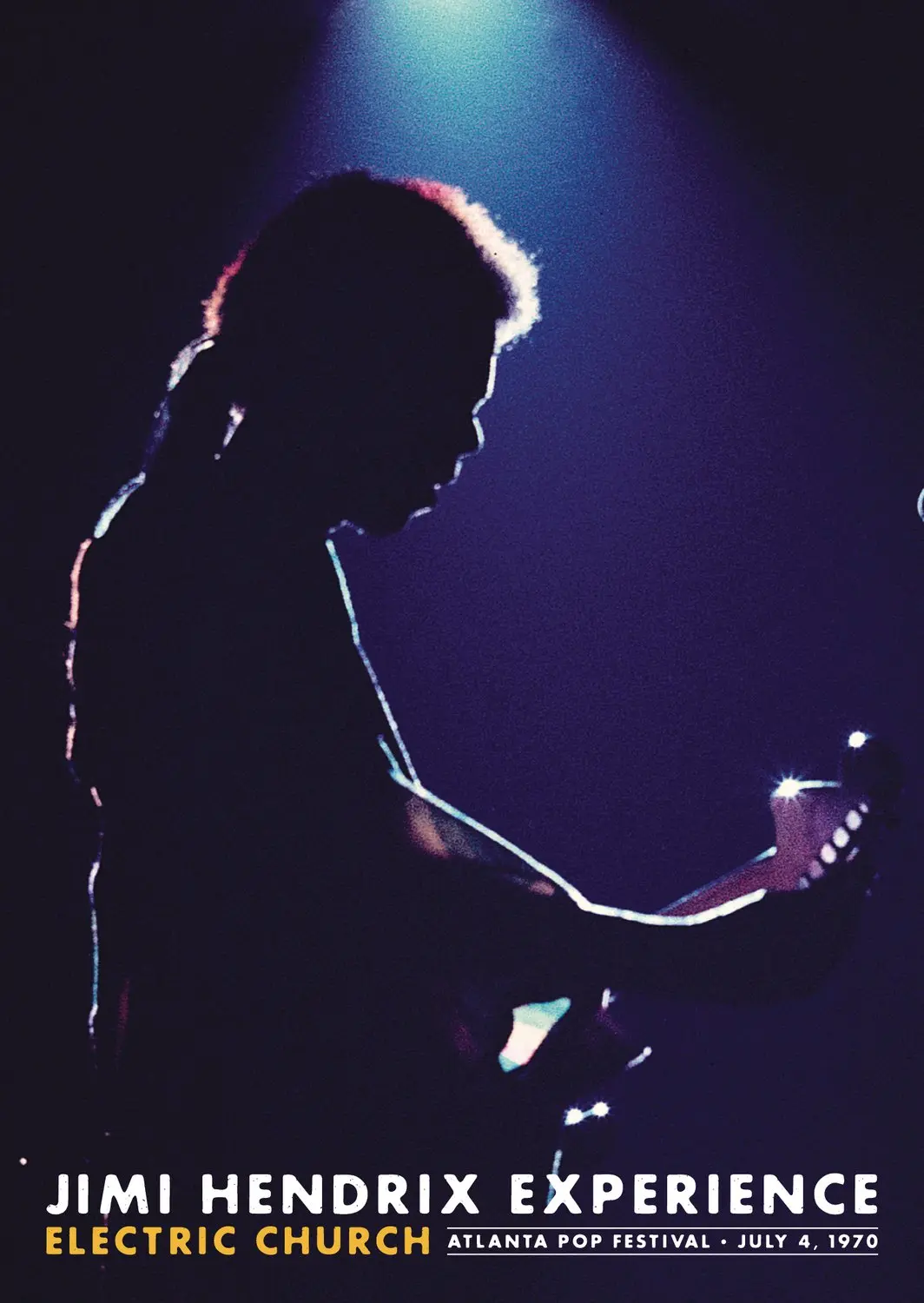
Introduction to Jimi Hendrix’s Electric Church
The concept of the ‘Electric Church’ has become synonymous with the innovative spirit of legendary guitarist Jimi Hendrix. Emerging during the fervent social movements of the late 1960s, Hendrix’s Electric Church was more than just a phrase; it represented a groundbreaking fusion of music, spirituality, and social commentary. Understanding its significance allows audiences to grasp Hendrix’s impact on both music and culture.
What Was the Electric Church?
The term ‘Electric Church’ can be traced back to Hendrix’s ambition to create a musical experience that transcended traditional genres and boundaries. Hendrix, who was known for his avant-garde guitar techniques and explosive performances, wanted his music to serve as a spiritual experience, one that brought people together irrespective of their backgrounds.
During the summer of 1970, Hendrix dove deeper into this idea while planning for what would become the ‘Rainbow Bridge’ concert in Maui. He envisioned a gathering where music would serve as a universal language to express peace, love, and unity. This concept resonated within the context of the counterculture movement, where many young people sought alternatives to the status quo as social upheavals were unfolding globally.
The Influence of the Electric Church on Music
Hendrix’s Electric Church further solidified his role as a pioneer not just in rock music but also in the broader category of pop culture. The combination of rock, blues, jazz, and funk in his music created an electrifying sound that inspired generations of musicians. Not only did Hendrix push the envelope in terms of guitar playing and songwriting, but he also introduced theatrical elements to his performances, often incorporating light shows and visual experiences that made concerts truly immersive.
Moreover, the Electric Church ethos set the stage for other cultural movements, influencing artists across various genres. From rock to hip-hop, the idea of using music as a transformative tool for change became a prevalent theme in the decades that followed Hendrix’s untimely death in 1970.
Conclusion: The Lasting Legacy
Today, the legacy of Jimi Hendrix’s Electric Church continues to inspire musicians and fans alike. Festivals, tributes, and documentaries pay homage to the man’s vision of unity through music. As we reflect on the tumultuous times Hendrix lived through, his idealistic message rings even truer today, reminding us of the power of music to transcend barriers. The electric spirit he cultivated in his musical journey is a resonating reminder that creativity can be a form of healing and connection, highlighting the enduring relevance of Hendrix’s work.
 Ama Serwah
 Kwame Ofori