
Introduction
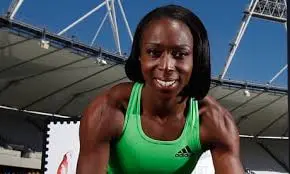
Jeanette Kwakye is a notable figure in the world of athletics, celebrated for her remarkable achievements as a sprinter and her contributions as a journalist. With a strong background in competitive athletics, Kwakye has made significant strides in her career, inspiring young athletes across the UK and beyond. As we delve into her journey, we explore her impact on sports and the significance of representation in athletics.
Career as an Athlete
Kwakye rose to prominence as a talented sprinter, representing Great Britain in major international competitions. One of her career highlights was competing in the 200 metres at the 2008 Beijing Olympic Games. Her determination and skill earned her a place among the top athletes in the nation, encouraging many younger sports enthusiasts to pursue their dreams in athletics.
Throughout her career, she also participated in notable championships, including the World Championships and European Championships, where she consistently delivered commendable performances. Jeanette’s presence on the track established her as a formidable competitor and a role model, particularly for female athletes from diverse backgrounds, showcasing that success is achievable through hard work and dedication.
Transition to Journalism
After a successful athletic career, Kwakye transitioned into journalism, drawing from her experiences in sports to inform her work. Combining her passion for athletics with her journalistic skills, she has written extensively on sports, health, and wellness. This unique blend allows her to engage with audiences on multiple levels, offering insights into both the challenges and triumphs faced by athletes.
Kwakye’s work has not only highlighted stories within the sports community but has also shed light on broader social issues. Through her platform, she advocates for greater diversity and inclusion within sports, addressing how representation can influence the next generation of athletes.
Public Speaking and Advocacy
Beyond her writing, Jeanette serves as a public speaker, sharing her journey and experiences with audiences across various platforms. She emphasizes the importance of hard work, resilience, and the power of following one’s passions, motivating others to strive for success in their respective fields.
Her advocacy extends to initiatives supporting young athletes, particularly those from underrepresented backgrounds. By sharing opportunities and resources, Kwakye aims to cultivate a more equitable sporting environment for future generations.
Conclusion
Jeanette Kwakye’s story is more than just that of an accomplished athlete; it is a testament to the intersection of sports and media, as well as the critical role of representation. As she continues to influence and inspire, her legacy is one of empowerment for aspiring athletes and advocates alike. The significance of her journey reminds us that success in sports transcends mere accolades; it lies in the ability to uplift others through shared stories and experiences. Looking ahead, Kwakye’s ongoing contributions to athletics and journalism will undoubtedly shape the landscape of sports, fostering inclusivity and engagement for all.
 Yaw Appiah
 Kwame Ofori
 Ama Serwah