
Introduction
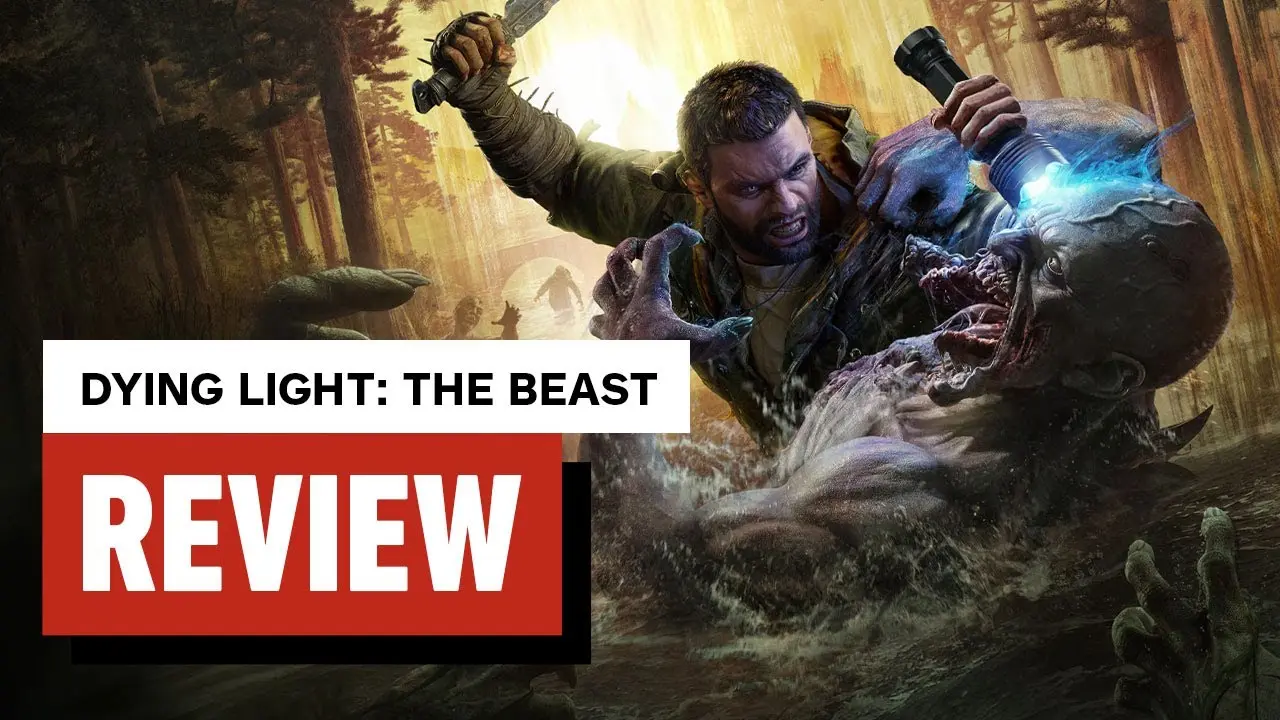
Dying Light: The Beast has become a hot topic among gaming enthusiasts since its release, appealing to both fans of the original Dying Light series and newcomers alike. This latest installment features an immersive blend of survival horror, parkour mechanics, and engaging narrative, all set against a post-apocalyptic backdrop. The game’s unique selling point, a formidable new enemy known as The Beast, has heightened anticipation and driven discussions around gameplay dynamics, story depth, and visual quality. With so many players eager to delve into this dynamic gaming experience, it’s essential to explore how Dying Light: The Beast stacks up against its predecessors and what it means for the franchise moving forward.
Main Features and Gameplay
Dying Light: The Beast retains the core elements that made the original such a success, offering a sprawling open-world environment filled with ferocious zombies, both at day and night. Players are encouraged to explore, forage for resources, and master the advanced parkour system, which allows for an exhilarating traversal of the game’s expansive landscape.
One of the most notable additions is The Beast itself, a terrifying adversary that changes the game dynamics significantly. Unlike other enemies, The Beast exhibits unique characteristics, including increased cunning and agility, requiring players to adapt their strategies on the fly. This new threat generates a heightened sense of tension, especially during nighttime when zombies become increasingly aggressive.
Graphics and Performance
The visuals in Dying Light: The Beast have received commendations for their outstanding detail and fluid animations. The graphics engine shines, especially in its rendering of the night-time environments, where shadows and lighting play crucial roles in creating a haunting atmosphere. Players have reported smooth performance, even in frenetic combat situations, ensuring an immersive experience that keeps engagement levels high.
Community and Multiplayer Elements
Cooperative gameplay remains a staple, allowing friends to team up against zombies and tackle quests together. There’s also a robust multiplayer mode where players can engage in competitive gameplay, working together or against one another as survival demands. This feature enhances the social aspect of gaming, encouraging alliances and friendly rivalry within the community.
Conclusion
Dying Light: The Beast represents a compelling evolution within the franchise, pushing the boundaries of survival horror. With its intense gameplay, captivating narrative, and striking visuals, it is a must-play for fans of the genre. As the gaming community embraces this addition, forecasts suggest a bright future for the series, especially if the developers continue to innovate and respond to player feedback. For those who relish thrilling challenges and atmospheric storytelling, Dying Light: The Beast solidifies itself as a pivotal entry that redefines what survival games can offer.
 Evelyn Mensah
 Kwame Ofori
 Ama Serwah