
Introduction
Dallas/Fort Worth International Airport (DFW) is one of the world’s busiest airports, serving as a critical hub for both domestic and international travel. Its location between two major cities in Texas, Dallas and Fort Worth, not only makes it integral to the regional economy but also a pivotal point for global air traffic. With the significance of air travel continuing to grow in light of the COVID-19 pandemic recovery, understanding the role of DFW Airport is more important than ever.
Current Status and Operations
As of October 2023, DFW Airport has seen a steady increase in passenger traffic, rebounding to near pre-pandemic levels. Recent reports indicate that the airport served over 75 million passengers in 2022 alone, with expectations to surpass this figure in 2023. The airport is a primary hub for American Airlines, operating numerous flights to over 200 destinations worldwide, making it a vital link for passengers connecting across continents.
Infrastructure and Amenities
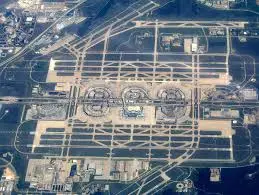
DFW features five terminals (A through E), equipped with state-of-the-art facilities including luxury lounges, extensive shopping and dining options, and art installations that reflect the local culture. Recent renovations and expansions aim to enhance passenger experience, with significant investments towards improving accessibility and amenities, including updated security protocols that have streamlined the boarding process.
Community Impact and Economic Significance
DFW Airport not only serves millions of travelers but also plays a significant role in the local and national economy, contributing over $37 billion annually. The airport is responsible for more than 200,000 jobs, fostering employment opportunities that range from aviation-related roles to retail and hospitality positions within the airport’s precincts. Local officials continue to advocate for sustainable practices, aiming to reduce the environmental impact while boosting economic growth.
Future Developments
In a bid to maintain its status as a leading international airport, DFW is undergoing several development projects, including expanding the terminal facilities and improving ground transportation options. The airport has announced plans to enhance its connectivity with high-speed rail services, which aim to facilitate easier access to downtown Dallas and Fort Worth, elevating the travel experience further.
Conclusion
As we move forward, DFW Airport remains a crucial element of the global transportation network. Its continuing growth and adaptation to modern needs signify its importance not only to the local economy but also to the entire aviation industry. For travellers, businesses, and local residents, DFW Airport is set to become more pivotal in shaping the future of travel, enhancing economic landscapes, and enabling seamless connectivity across the globe.
 Kwame Ofori
 Ama Serwah
 Evelyn Mensah