
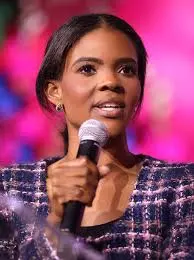
Introduction
Candace Owens has rapidly emerged as a significant figure in contemporary media and political discourse. Her strong conservative views and active engagement on social platforms have resonated with a wide audience, making her a pivotal voice in discussions surrounding culture, race, and political ideologies. As a public speaker and author, her influence extends beyond traditional media, shaping opinions and sparking debates among both supporters and critics.
Biography and Rise to Prominence
Born on April 29, 1989, in Stamford, Connecticut, Candace Owens was once a reluctant participant in politics, initially identifying as a liberal. However, her political alignment shifted during her college years at the University of Connecticut, where she became increasingly vocal about conservative perspectives. Her breakout moment came when she started her YouTube channel, where she critiqued social justice movements and liberal ideologies. Since then, she has gained fame for her bold rhetoric and has since worked with prominent organisations such as Turning Point USA.
Major Contributions and Controversies
Owens is best known for her staunch criticism of the Black Lives Matter movement and her assertions that victimhood ideologies are detrimental to African Americans. Her book, “Blackout: How Black America Can Make Its Second Escape from the Democratic Plantation,” explores her views on race and politics, challenging the status quo regarding how race is discussed in America. Although she has garnered substantial support, her statements have also led to significant backlash, resulting in her being a polarising figure in national conversations.
Current Influence and Future Outlook
As of 2023, Owens remains a central figure in conservative media, frequently appearing on platforms like Fox News and engaging in high-profile interviews. Her recent topics include discussions on free speech, social media censorship, and her stance on COVID-19 policies. Given her significant following on social media, her ability to mobilise her audience during elections and key political moments makes her a significant player in shaping future discourse within the conservative movement.
Conclusion
Candace Owens continues to be a noteworthy voice in contemporary political discussions, transcending traditional media boundaries and engaging a diverse audience. Her influence highlights a growing trend where social media personalities can impact real-world political dynamics. As her journey unfolds, it will be essential to monitor how her perspectives evolve and shape the evolving landscape of political commentary.
 Yaw Appiah
 Ama Serwah
 Evelyn Mensah
 Kwame Ofori