
Introduction
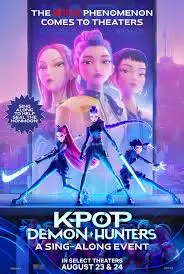
Kpop Demon Hunters 2 has swiftly become a topic of intrigue and excitement in both the music and gaming communities. This innovative project merges the vibrant world of K-pop with elements of fantasy and adventure, enticing fans from diverse backgrounds and interests. The series has gained attention for its unique premise, dynamic production, and the opportunity for K-pop idols to engage in storytelling beyond traditional music formats.
The Concept and Development
Following the success of its predecessor, Kpop Demon Hunters, the sequel amplifies the blend of thrilling narrative and catchy music. Each episode integrates K-pop performances with action-packed scenes, featuring a storyline centered on a team of heroes fighting against dark forces threatening their world.
The production team has brought together top directors, screenwriters, and choreographers to ensure the project maintains high artistic standards. The music content features contributions from popular K-pop artists who not only perform but also play characters, creating a multi-dimensional experience for fans.
Recent Events and Releases
In recent months, Kpop Demon Hunters 2 has launched its first set of episodes, generating significant buzz on social media platforms. Fans have been sharing their excitement through fan art and discussions online, with specific highlights being the character arcs and dramatic fight scenes adorned by thrilling musical accompaniments.
A recent promotional campaign, including live performances and behind-the-scenes footage, has drawn increased viewership, showcasing the cast’s talents and enhancing audience engagement. This dynamic approach has begun to blur the lines between fan interaction and traditional media consumption.
Conclusion and Future Prospects
As Kpop Demon Hunters 2 continues to gain traction, it holds significant promise for the future. Industry experts speculate that this multimedia format could pave the way for similar projects, bridging the gap between the realms of K-pop and narrative storytelling in fantasy genres. This movement may also foster deeper connections between K-pop idols and their fanbases, enriching the cultural landscape and driving innovations in entertainment.
In conclusion, Kpop Demon Hunters 2 is more than just a sequel; it represents a new frontier in how music, storytelling, and fandom intersect in the modern age. Fans and newcomers alike can anticipate thrilling developments ahead as this captivating series evolves.
 Ama Serwah
 Kwame Ofori
 Evelyn Mensah