
Introduction
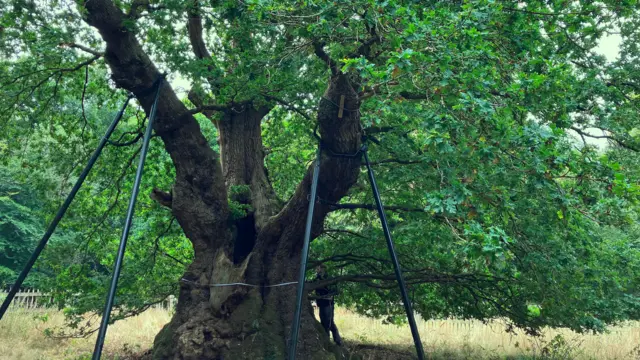
Druids Oak stands as a significant testament to the ancient traditions and cultures of the British Isles. As a symbol of the Druidic faith and a natural monument, this oak tree has captured the imagination of many over the years. Its position and legacy speak volumes about the historical reverence for nature, making it a vital site of interest for scholars, tourists, and nature enthusiasts alike.
The Historical Context of Druids Oak
Located in the picturesque landscape of the United Kingdom, Druids Oak is associated with the ancient Druids, who were believed to be the priestly class in ancient Celtic cultures. Historically, oak trees held sacred significance for the Druids, who considered them to be symbols of strength, wisdom, and endurance. The Druids were known for their rituals and ceremonies performed in forests, and oaks often served as natural altars or gathering points.
The specific oak known today as Druids Oak has stood for centuries, its gnarled branches bearing witness to a long history, layering the landscape with stories from the past. Many local legends attribute mystical properties to the tree, claiming that it has the power to grant wisdom and insight to those who hold it in reverence.
Recent Events and Conservation Efforts
In recent years, Druids Oak has become a focal point for conservation efforts aimed at protecting England’s natural heritage. As urban development pressures mount and climate change impacts the ecosystem, initiatives have arisen to maintain the health of this crucial tree and its surrounding habitat. Local volunteer groups and organisations have collaborated on preservation projects, highlighting the importance of not just protecting Druids Oak, but also promoting awareness of other ancient trees across the country.
In 2023, community events were organised around Druids Oak, including educational workshops and guided walks, aiming to enhance public understanding of its ecological and cultural significance. These efforts serve to foster a connection between the community and their natural environment, inspiring future generations to appreciate and protect these historic landmarks.
Conclusion
Druids Oak remains a powerful symbol of the ancient connection between humanity and nature. As visitors and locals alike continue to engage with this remarkable tree, it epitomises the enduring legacy of the Druids and the importance of conservation in today’s world. As we look to the future, it is vital to ensure that such natural monuments are preserved for their cultural significance and ecological value, enabling us to learn from the past while nurturing our connection to nature.
 Kwame Ofori
 Ama Serwah
 Evelyn Mensah