
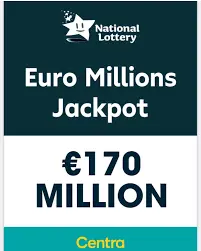
Introduction to EuroMillions
The EuroMillions lottery is one of the largest and most popular lottery games in Europe, offering life-changing jackpots that attract millions of players across multiple countries. Since its launch in 2004, the EuroMillions has expanded, currently involving nine participating countries, including the UK, France, Spain, and Italy.
Recent Developments
In recent months, the EuroMillions has seen a surge in interest due to record-breaking jackpots. Notably, the jackpot on September 29, 2023, reached a staggering £210 million, making it the largest in the history of the game. This remarkable sum prompted a record number of ticket sales, with players eager to try their luck at winning the life-altering prize.
The National Lottery, which operates the EuroMillions in the UK, reported that ticket sales increased by 45% leading up to the draw, reflecting the excitement and anticipation among the public. Experts attribute the heightened interest to a combination of factors, including a series of rollovers that kept the jackpot climbing and high-profile winners sharing their success stories.
What Makes EuroMillions Different?
Unlike traditional lottery games, EuroMillions offers players the chance to win more than just the jackpot. There are various prize tiers, offering lower-tier prizes for players who match fewer numbers. The game also features a special ‘EuroMillions Superdraw’ that can occur several times a year, providing an especially large jackpot, which is a highlight for regular players.
How to Play EuroMillions
To play EuroMillions, participants select five main numbers from a pool of 1 to 50 and two additional numbers, known as ‘Lucky Stars’, from a pool of 1 to 12. Draws are held every Tuesday and Friday, and players can purchase tickets both in-store and online. A key feature of the game is its ability to reach amazing jackpot amounts, often exceeding £100 million, which keeps players engaged and eager to participate.
Significance for Players and Society
The popularity of EuroMillions has significant implications not only for individual players but also for society as a whole. A portion of the revenue generated from ticket sales goes towards funding good causes across the UK, including arts, sports, and community projects. In the last financial year alone, the National Lottery donated over £1.8 billion to various initiatives, showcasing the broader social impact of the lottery.
Conclusion
The EuroMillions remains a pillar of excitement for lottery enthusiasts, particularly in the UK, where it provides life-changing winnings while contributing to charitable causes. As the game continues to evolve, updates on draws, prizes, and player stories will be crucial for keeping the public informed and engaged. Looking ahead, experts believe that the EuroMillions will continue to draw significant player interest, especially as jackpots grow and new initiatives are introduced to enhance the playing experience.
 Ama Serwah
 Evelyn Mensah
 Kwame Ofori