
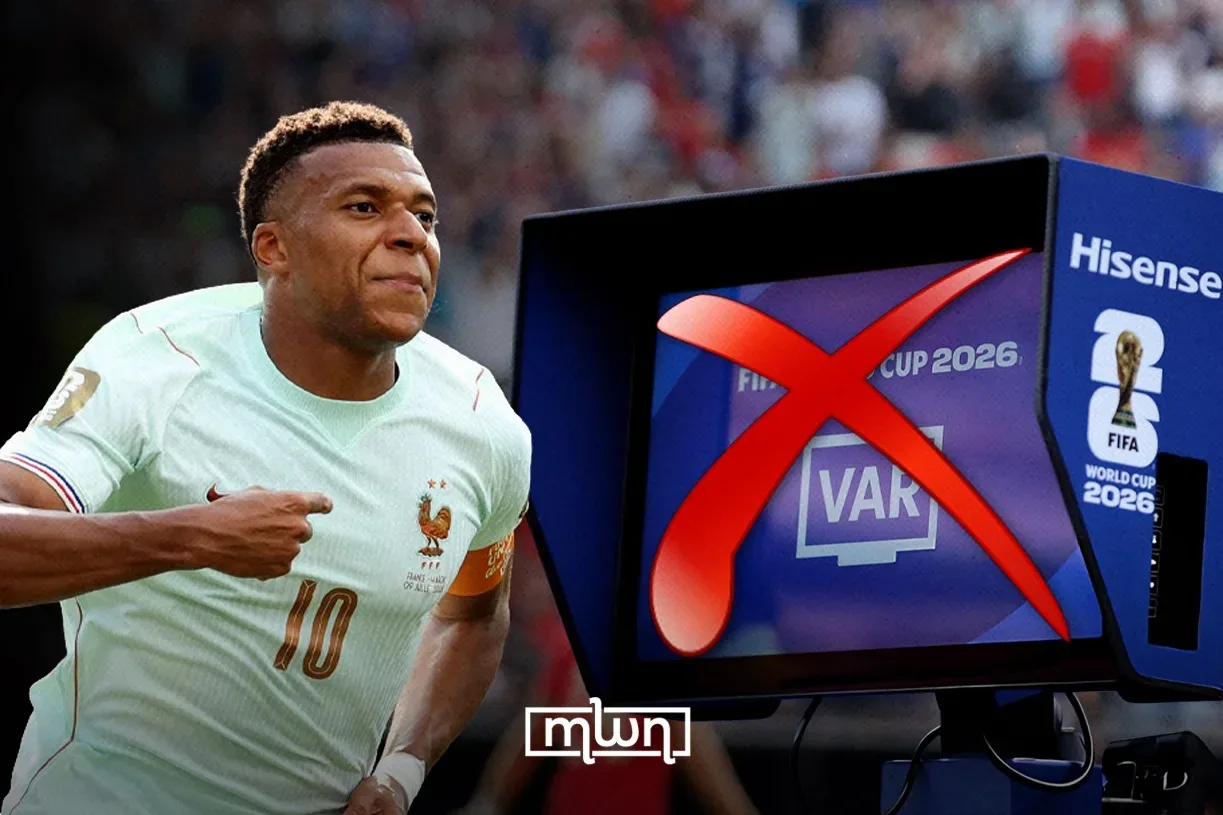
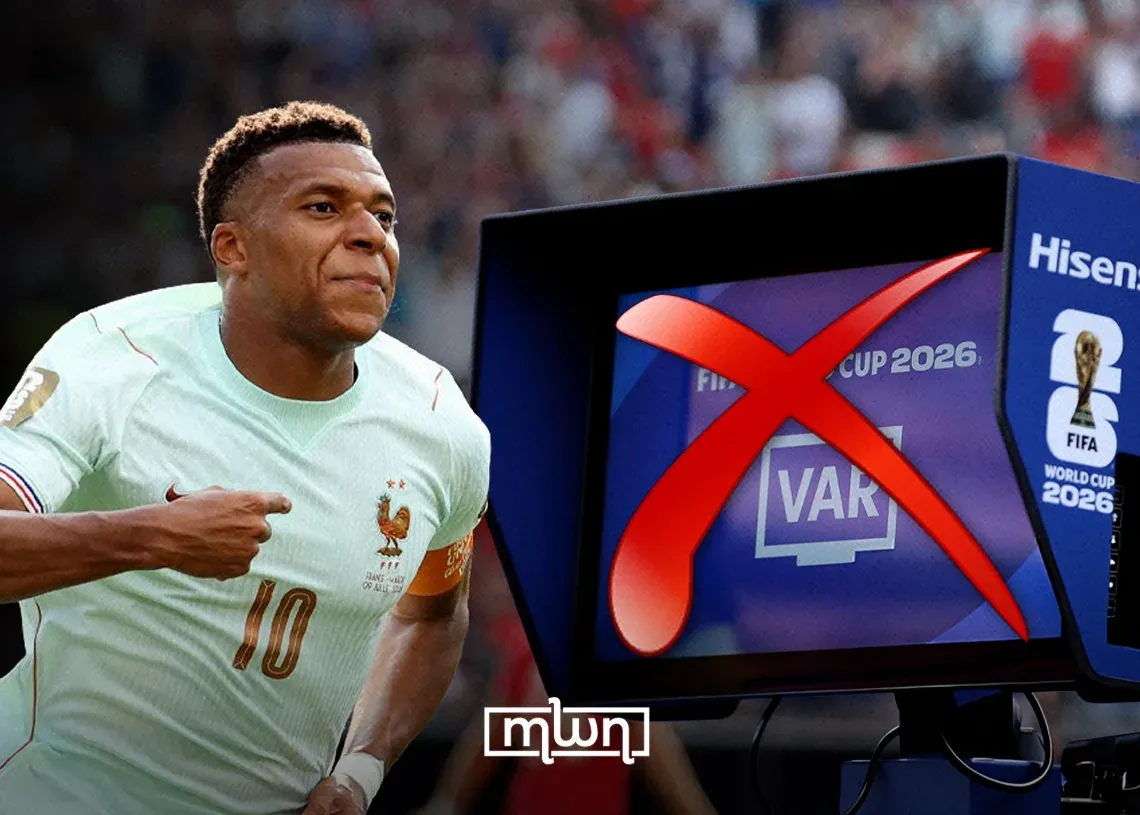
VAR controversy in World Cup quarter-final
A recent FIFA World Cup 2026 quarter-final match between France and Morocco saw a significant VAR incident that drew attention from across the football world. During the first half of the match, France was awarded a penalty after Kylian Mbappé was challenged inside the penalty area by Morocco defender Noussair Mazraoui. Argentine referee Facundo Tello immediately pointed to the spot, but the decision was subjected to an extended VAR review.
The review process lasted for over three minutes, causing visible frustration for Mbappé as he waited to take the penalty. Reports indicate that he waited for 3 minutes and 10 seconds before being allowed to proceed. During this delay, Mbappé was observed engaging in an animated discussion with Tello, leading to both teams heading towards a scheduled hydration break.
When play eventually resumed, Morocco goalkeeper Yassine Bounou successfully saved Mbappé’s penalty attempt, keeping the quarter-final score level at that point. Following the save, Mbappé reportedly expressed his frustration towards the referee, highlighting his dissatisfaction with the unusually long interruption before the penalty kick.
Haaland’s reaction and wider debate
Norway striker Erling Haaland, who was watching the match from his team’s hotel, joined the discussion surrounding the VAR delay. He shared an image of the incident on Snapchat, commenting, “Need to wait 5 min to take a penalty is way too long.” Although Haaland‘s estimation of the delay was slightly exaggerated, his post quickly went viral before being deleted. His comment reflected a growing debate among players and supporters regarding whether lengthy VAR reviews unfairly impact penalty takers.
Haaland was not the only prominent football figure to criticise the delay. Former Manchester United captain Roy Keane also questioned the fairness of making penalty takers wait for such extended periods. Speaking during coverage, Keane stated that it was an unfair pressure situation, even for world-class players, suggesting that the delay gives an advantage to the team that conceded the penalty.
The incident occurred amidst broader discussions concerning FIFA’s officiating appointments for the quarter-final. Before the match, attention was drawn to FIFA’s decision to appoint an entirely Argentine on-field officiating team, led by Facundo Tello, with Juan Pablo Belatti and Gabriel Chade as assistant referees. This generated social media discussion due to the intense rivalry between France and Argentina since the 2022 World Cup final. However, FIFA’s selection was consistent with its tournament policy of having referees and assistant referees from the same nation.
Despite the missed penalty, Mbappé recovered in the second half, scoring a goal that gave France the lead. Ousmane Dembélé later added a second goal, securing a 2-0 victory for Les Bleus. This win advanced France to a World Cup semi-final in Dallas against either Spain or Belgium.
Unchecked handball and refereeing scrutiny
The match also featured another controversial moment when, in the 60th minute, French midfielder Adrien Rabiot appeared to use his hand to win the ball just before Kylian Mbappé scored the opening goal. The referee did not check the VAR monitor for this incident, and the goal stood, leading to significant controversy.
Replays reportedly showed the ball clearly hitting Rabiot’s hand, initiating the attack that led to Mbappé’s goal. According to FIFA rules, VAR is mandated to review any handball that directly leads to a goal. However, the game restarted without any review, and the officials on the field and in the VAR booth remained silent. This lack of review sparked anger among fans globally, who felt that Morocco was unfairly treated.
This incident follows previous controversies in the 2026 World Cup. Earlier in the knockout stage, Egypt lodged strong criticism after their 3-2 defeat to Argentina, alleging that FIFA favoured the reigning world champions following a controversial VAR decision that disallowed an Egyptian goal. Egypt manager Hossam Hassan claimed officials aimed to keep Lionel Messi and the defending champions in the tournament, allegations that FIFA has rejected. While no similar claims emerged after France’s victory, the prolonged pause before Mbappé’s penalty and the unchecked handball further intensified discussions about VAR’s impact on match flow and potential biases.
The France–Morocco quarter-final became the latest match to bring refereeing decisions under scrutiny during the 2026 World Cup, raising questions about the consistent application of VAR technology.
Source: timesofindia.indiatimes.com
 Ama Serwah
 Yaw Appiah
 Kwame Ofori
 Evelyn Mensah