
Introduction
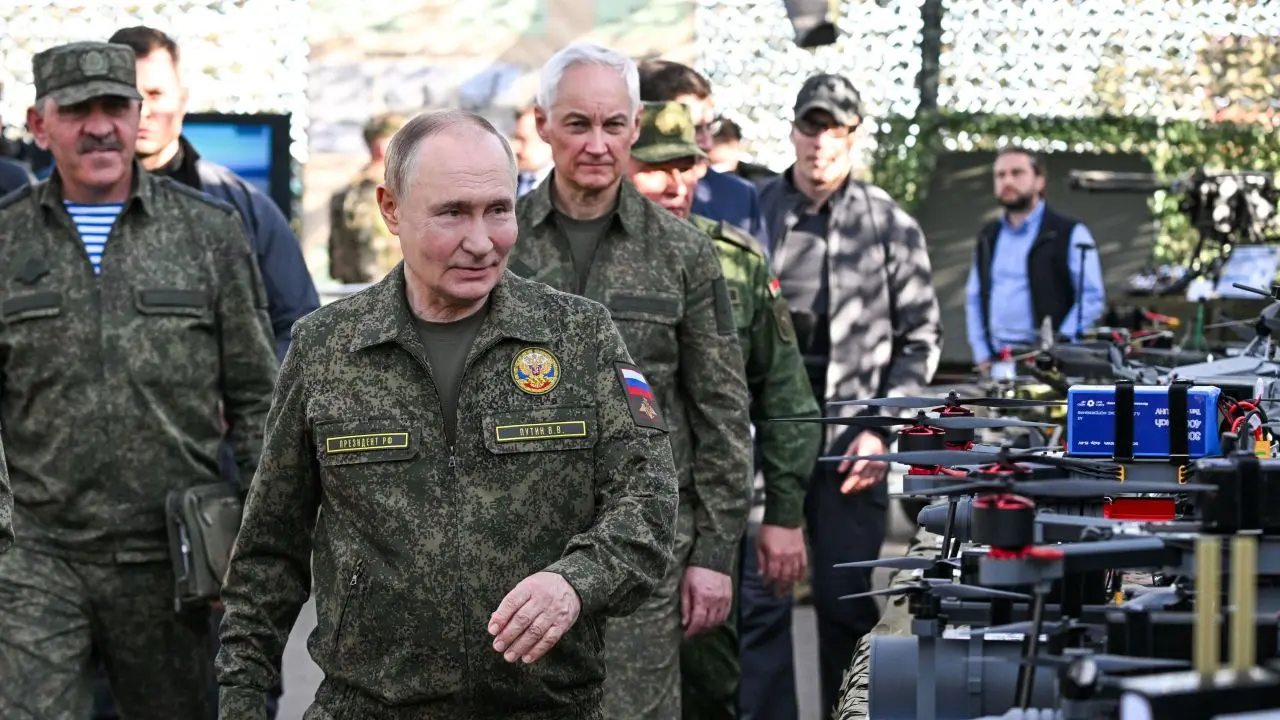
The Zapad 2025 military exercise is poised to be a significant event, illustrating Russia’s military capabilities and strategic intentions. As military exercises tend to serve not only as training activities but also as vital opportunities for posturing and signalling, Zapad 2025, taking place in the Western military district, is especially relevant in light of current geopolitical tensions. Understanding the implications of this exercise is crucial for security experts, policymakers, and the general public alike.
Details and Significance of Zapad 2025
The Zapad exercises, which means ‘West’ in Russian, are held approximately every four years, involving a collaborative effort between Belarusian and Russian forces. The 2025 iteration is expected to engage up to 200,000 troops, significant military hardware, and various operational scenarios reflecting potential threats.
In past exercises, Zapad has simulated conflict scenarios that could occur in the Baltic region, as well as hybrid warfare tactics that integrate cyber operations, psychological operations, and conventional military responses. Analysts anticipate that Zapad 2025 will not only test combat readiness but will also explore Russia’s ability to project power in near and far regions, solidifying its influence in Eastern Europe.
Current Context and International Responses
Given the ongoing tension in Eastern Europe, particularly with Russia’s actions in Ukraine and its relations with NATO, the Zapad 2025 exercise is generating significant interest from Western nations. Military officials in NATO member countries are closely monitoring these developments, concerned that the exercise may serve as a rehearsal for aggressive actions against Ukraine or other neighbouring countries.
In response, NATO has reaffirmed its commitment to the collective security of member states, conducting its own series of exercises and fostering closer coordination among allied nations. Moreover, the Baltic states have ramped up their defensive preparations, recognising the need for readiness in the face of potential Russian maneuvers.
Conclusion
As the Zapad 2025 military exercise draws closer, its implications may ripple through international relations and security frameworks. The potential for enhanced military cooperation between Russia and Belarus, alongside the display of advanced military capabilities, highlights the need for vigilance among NATO allies. While the Zapad exercises are a routine component of Russian military strategy, the evolving geopolitical landscape necessitates that both military analysts and policymakers remain alert to the signals being conveyed. Understanding the dynamics of such exercises will be crucial for fostering effective deterrence and security measures in the coming years.
 Ama Serwah
 Kwame Ofori